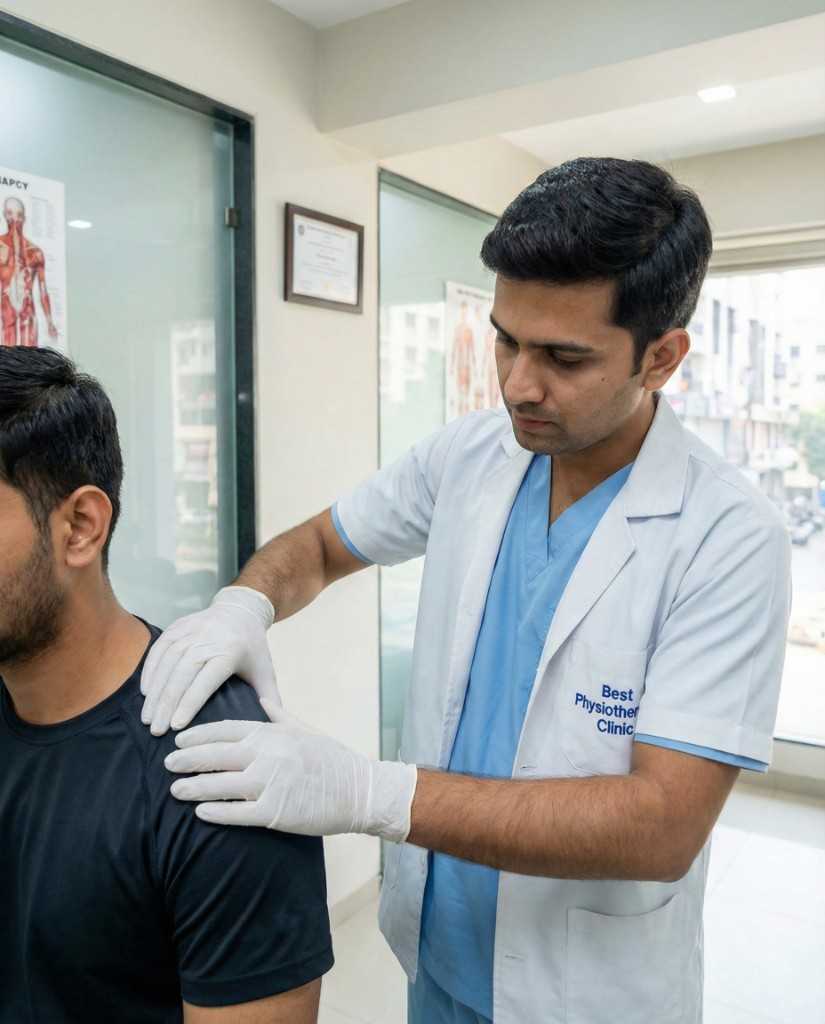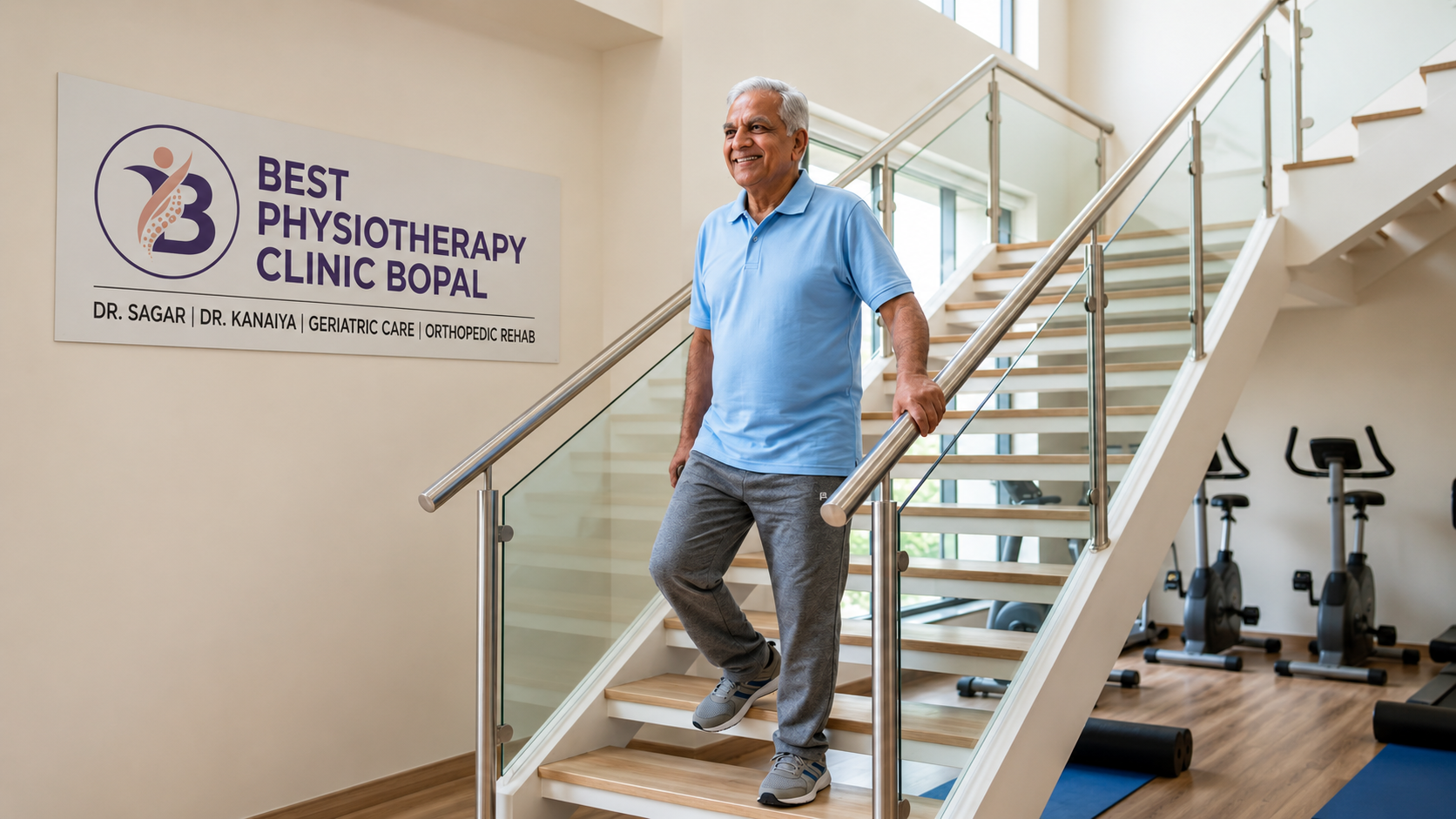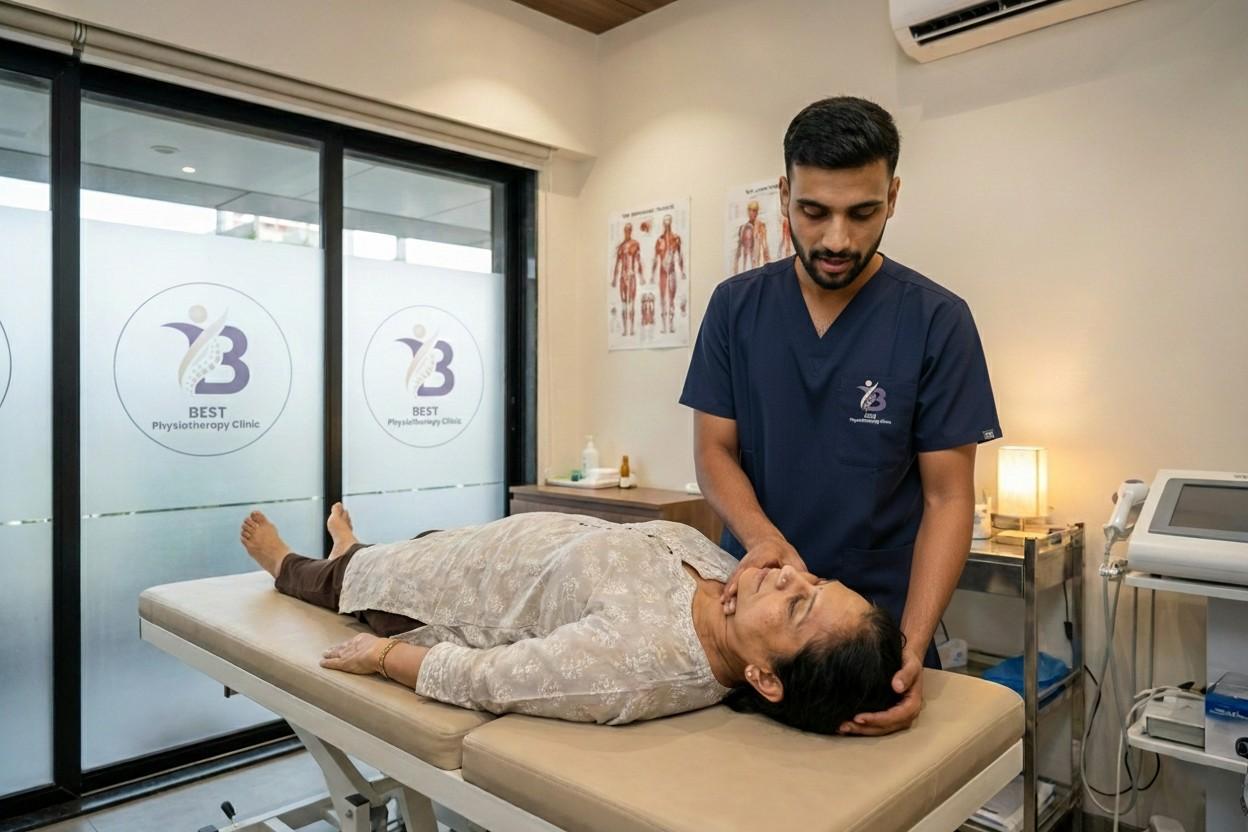
A balance disorder is a debilitating condition that causes you to feel unsteady, dizzy, lightheaded, or as if the world is spinning (vertigo). This loss of stability can be frightening, significantly limiting your independence and creating a constant fear of falling. At Best Physiotherapy Clinic Bopal, we are a specialized center for balance disorder treatment. Our expert neuro physiotherapy team understands that balance is a complex system, not a single sense. We provide a comprehensive diagnostic assessment to find the true root cause of your instability, whether it’s an inner ear (vestibular) problem, a neurological condition, or a sensory deficit.
Our balance rehabilitation therapy is a highly effective, evidence-based, and non-surgical program designed to “retrain” your brain to regain control. We don’t just “give you balance exercises”; we first diagnose the why. Is it BPPV (vertigo)? A vestibular weakness? Or a proprioceptive loss from peripheral neuropathy? The treatment for each is completely different. Our Bopal physio clinic uses advanced techniques, including Vestibular Rehabilitation Therapy (VRT) for inner ear issues and Sensory Integration and proprioceptive training for neurological deficits. Our goal is to restore your stability, eliminate vertigo, and provide you with the fall prevention physiotherapy skills to move confidently through your life once again.
The symptoms of a balance disorder can be constant or can come and go. They can be subtle (like just “not feeling right”) or severe (like a violent spinning that causes nausea). Our Bopal physiotherapy team is skilled at diagnosing this complex presentation. We listen to your exact symptoms, as this is the first and most important clue to a correct diagnosis.
Our expert therapists know that a balance disorder is a symptom, not a disease. It’s a sign that one of the three balance systems—your inner ear (vestibular), your vision, or your body awareness (proprioception)—is failing. Our diagnostic approach is built to find your specific “pain driver.” We don’t just treat the symptom; we identify and correct the source of the mechanical overload. For example, your chronic knee pain may be a symptom of weak hip (gluteal) muscles, which forces your knee to collapse inward, or “stuck” ankle joints, which puts extra rotational stress on your knee. We find the precise cause.
Common causes include: 1. Inner Ear (Vestibular) Issues: This is the most common cause. BPPV (Benign Paroxysmal Positional Vertigo) is a mechanical problem where “crystals” in your inner ear get dislodged, causing intense, brief spinning. It is curable with physiotherapy. Other issues include Vestibular Neuritis or Labyrinthitis, which is inflammation of the inner ear nerve, often from a virus. 2. Neurological Conditions: Damage to the central nervous system (brain) or peripheral nerves can severely impact balance. This includes conditions like Stroke, Parkinson’s Disease, and Multiple Sclerosis. 3. Peripheral Neuropathy: This is a “sensory” balance disorder. Damage to the nerves in the feet, often from diabetes, causes numbness. Your brain can no longer “feel” the floor, leading to a high risk of falls, especially in the dark. Our fall prevention physiotherapy is critical for this. 4. Age-Related Decline: As we age, all three of our balance systems naturally slow down, and our muscles (our “responders”) get weaker. This is why our Geriatric Rehab program is so heavily focused on balance and strengthening.
At Best Physiotherapy Clinic Bopal, your first 60-minute appointment is a comprehensive diagnostic deep-dive. We don’t guess. We perform a “root cause analysis” to find why your knee hurts. We listen to your history, your goals, and your fears. Then, our therapists (who are COMT-certified extremity experts) will perform a detailed physical and neurological exam. This includes a full movement screen (watching you squat, lunge, and walk), a postural assessment, and a complete screen of your hip and ankle to find the “driver” of your pain. We then perform a series of specialized orthopedic tests (like the Lachman’s test for an ACL, or the McMurray’s test for a meniscus) to pinpoint the exact tissue that is the source of your pain. This diagnostic precision is what makes our knee pain treatment in Bopal so effective.
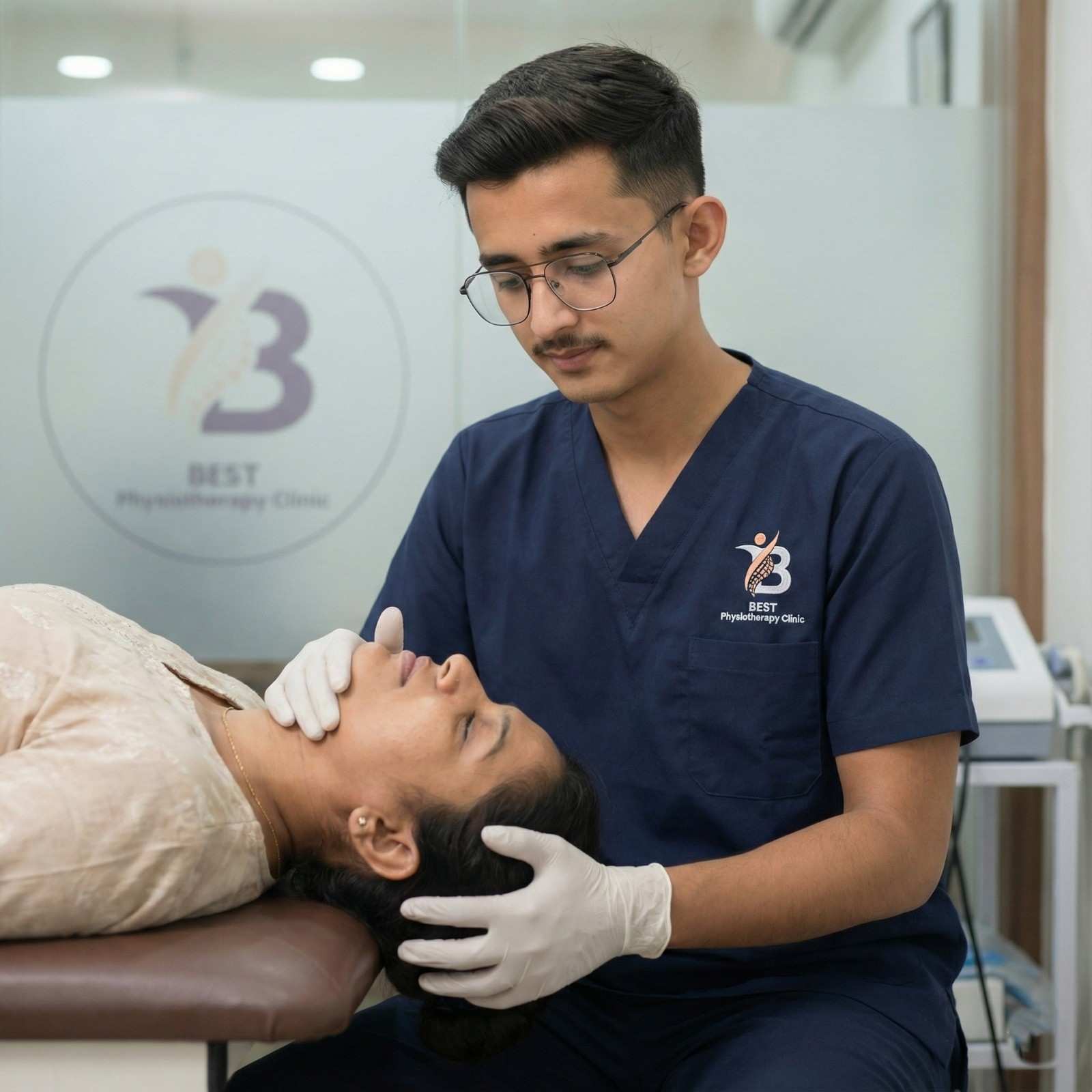
Diagnosis
The 'Why'
Your balance disorder treatment at our Bopal clinic is a progressive, supportive, and empowering journey. It begins with a comprehensive, 90-minute assessment where we analyze your specific symptoms, your gait (walking pattern), your balance (using standardized tests like the Timed Up-and-Go), and, most importantly, your personal functional goals. We listen to what you want to be able to do, whether it’s walking in the park, playing with your grandchildren, or simply getting out of a chair with confidence. Based on this comprehensive evaluation, Dr. Sagar or Dr. Kanaiya will design a personalized PD rehabilitation therapy plan that is challenging but safe, and always one-on-one. We will re-assess your progress regularly, adapting the program as you get stronger and more confident in your movement, ensuring you are always working toward your next functional milestone.
01
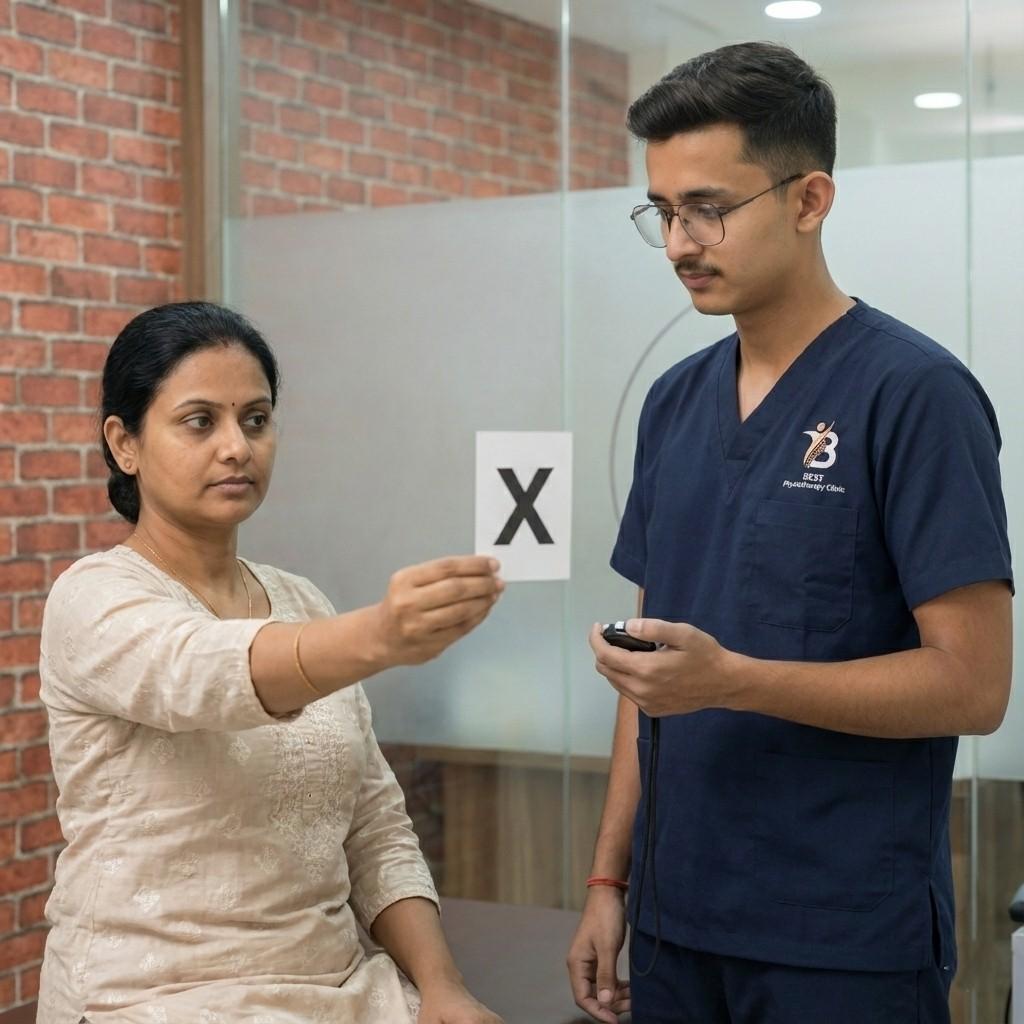
This is the most critical phase. We perform a full neurological and vestibular exam. This includes specific positional tests (like the Dix-Hallpike) to diagnose BPPV. We also test your gaze stability (VGA), your gait, and your standing balance with eyes open and closed. This detailed assessment tells us which of your three balance systems has failed, which is the key to creating a targeted treatment plan.
02
If your problem is vestibular (inner ear), our treatment is specific. For BPPV, we perform a Canalith Repositioning Maneuver (like the Epley) in the clinic, which cures the condition in 1-2 visits. For vestibular weakness (neuritis), we prescribe Gaze Stability Exercises (e.g., VOR 1 & 2), which retrain your brain’s connection to your eyes and inner ear, as part of our advanced Vestibular Rehabilitation Therapy (VRT).
03
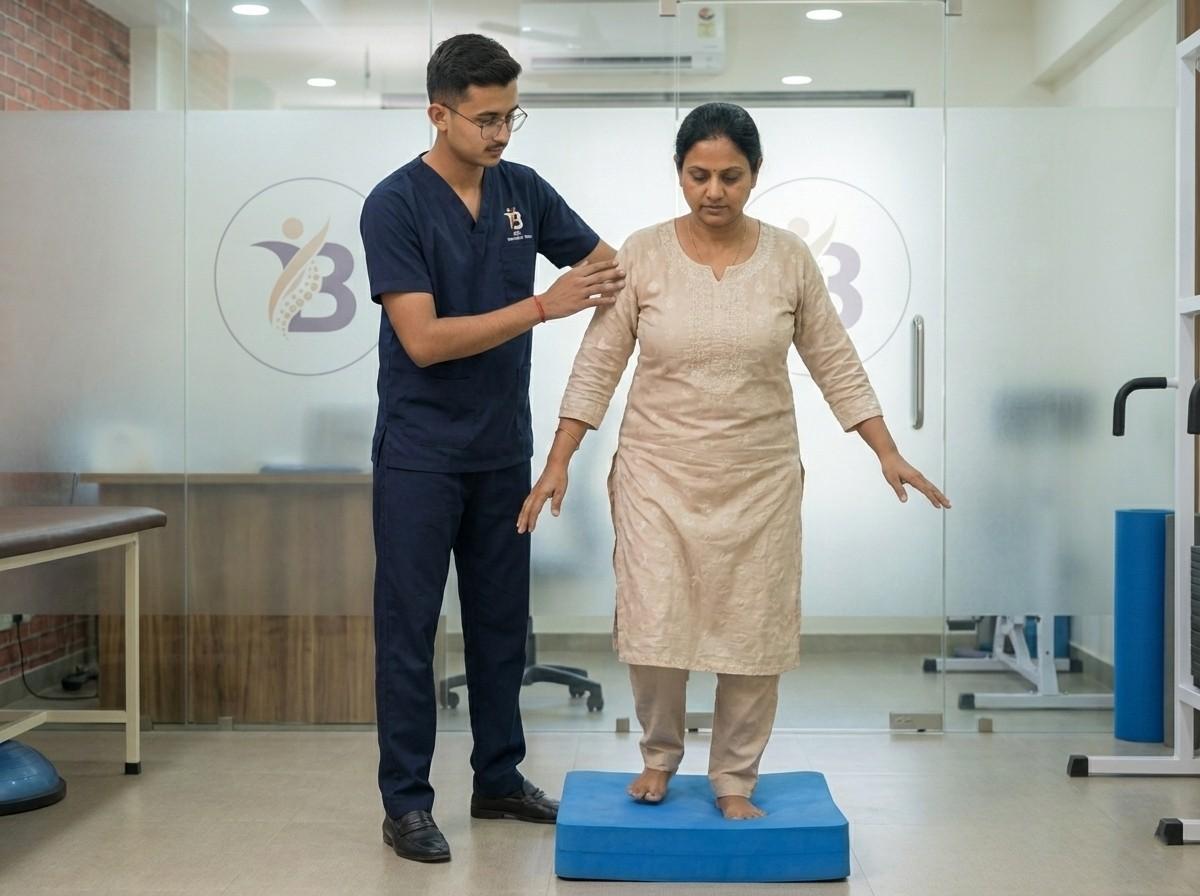
This is the “compensation” phase, especially crucial for neuropathy and geriatric patients. We initiate a high-level Balance & Proprioception Training program. This is designed to force your brain to rely more on your visual and inner ear systems to compensate for the lost sensation in your feet. This is paired with progressive functional strengthening of your hip and core muscles, which are your primary “balance muscles.”
Our clinic is built on a foundation of trust and proven results. Our balance rehabilitation therapy is one of the most evidence-based fields in physiotherapy. The protocols for BPPV and vestibular hypofunction are backed by the highest levels of clinical research. We use standardized, objective outcome measures (like the Timed Up-and-Go, Dynamic Gait Index, and Dizziness Handicap Inventory) to prove your function is improving.
Our fall prevention physiotherapy is one of the most important services we offer. A fall can be a life-changing, catastrophic event for an older adult. Our program is a proactive, evidence-based solution to prevent that from happening. We don’t just “give balance exercises”; we perform a full risk assessment and build a comprehensive program to improve your strength, stability, and confidence.
“I had violent, spinning vertigo for a week and was terrified. Dr. Kanaiya diagnosed BPPV in 5 minutes, performed the Epley maneuver, and by the time I sat up, the spinning was gone. I walked out of the clinic cured. It was unbelievable. It’s the best vertigo balance therapy in Bopal, hands down.”
Your safety is our absolute, non-negotiable priority. 99% of dizziness and balance issues are “peripheral” (inner ear) or “sensory” (neuropathy) and are safely treated with physiotherapy. However, our first job is to be a diagnostic expert and rule out the 1% of cases that are a “central” (brain) problem, like a Stroke.
"Seek URGENT medical care (go to the hospital) if your dizziness is new and sudden AND is accompanied by: Double Vision, Difficulty Speaking, Severe Headache, Numbness on one side, or sudden Arm/Leg Weakness."
"We are clinically trained to perform a "HINTS" exam and other neurological tests to screen for a stroke or other central nervous system issue. Your safety is our first priority."
This is a key diagnostic question. Dizziness is a "catch-all" word for feelings like lightheadedness, wooziness, or feeling "off-balance." It can be caused by many things, including medication, low blood pressure, or neuropathy. Vertigo is a very specific symptom: it is the false sensation of movement, specifically spinning. You might feel like you are spinning, or that the room is spinning around you. This spinning sensation almost always points to a problem with your inner ear (vestibular) system. Our vertigo balance therapy is designed to diagnose and fix this specific problem.
BPPV (Benign Paroxysmal Positional Vertigo) is the most common cause of vertigo, and YES, it can be cured with physiotherapy, often in a single 30-minute session. It's a mechanical problem where tiny calcium crystals (otoconia) in your inner ear get dislodged and float into the wrong canal. When you move your head in a specific way (like rolling over in bed), these crystals move and send a powerful, false "spinning" signal to your brain. Our vertigo physiotherapy in Bopal uses a specific, non-invasive "Canalith Repositioning Maneuver" (like the Epley) to use gravity to guide these crystals out of the canal, instantly curing the vertigo.
Our balance rehabilitation therapy is an active, exercise-based program that works by "retraining" your brain (neuroplasticity). Your brain maintains balance using 3 systems: your eyes (vision), your inner ear (vestibular), and your body awareness (proprioception from your feet and joints). A balance disorder means one of these systems is faulty. Our program is designed to first fix the faulty system if possible (e.g., curing BPPV). If the problem is permanent (like diabetic neuropathy), we use specific exercises to over-train and strengthen the other two systems to compensate for the one that is lost, making you stable again.
Falling is almost always caused by a combination of factors that our fall prevention physiotherapy program is designed to assess and treat. The most common reasons we see in our Bopal clinic are: 1. Muscle Weakness: As we age, we lose leg and hip (gluteal) strength, which is essential for "catching" your balance. 2. Poor Balance: Your "reactive balance" (your body's reflex to a trip or slip) slows down. 3. Sensory Loss: You may have peripheral neuropathy, so you can't "feel" the floor properly. 4. Vestibular Issues: You may have an inner ear problem causing dizziness or unsteadiness. Our comprehensive geriatric rehabilitation program will test all of these systems and build a plan to fix them.
Posted on GoogleTrustindex verifies that the original source of the review is Google. 👍👍👍👍Posted on GoogleTrustindex verifies that the original source of the review is Google. I was suffering from frozen shoulder for around 8 months and had a lot of difficulty lifting my arm or doing daily activities. I started physiotherapy with Dr. Kanaiya Gadhavi at his clinic in Bopal. He treated me with a proper combination of manual therapy, exercises, and machine therapy. He is very patient and explained everything clearly during the sessions. The recovery took some time, but under his treatment, my shoulder mobility improved almost 95% in about 3 months. Now I can do all my work comfortably without pain. Dr. Kanaiya is very experienced in shoulder cases and one of the best physiotherapists in Bopal.Posted on GoogleTrustindex verifies that the original source of the review is Google. I was suffering from severe neck and shoulder pain due to long hours of computer work. After visiting Best Physiotherapy Clinic, and Dr. Sagar Vyas treated me with great care and professionalism. His exercises and therapy sessions gave me quick relief and improved my posture too. The clinic is very clean, comfortable, and well-maintained. I truly appreciate Dr.Sagar for his personal attention and effective treatment. Highly recommended to anyone dealing with work-related pain.Posted on GoogleTrustindex verifies that the original source of the review is Google. I was suffering from severe neck pain due to long hours of computer work and could barely move my neck. A friend recommended Dr. Kanaiya at The Bopal Physio Clinic, and I’m really glad I visited. Dr. Kanaiya examined me thoroughly and started the treatment the same day. He used advanced machines and also guided me with effective exercises. Within three weeks, my pain reduced by almost 90%. Dr. Kanaiya is very knowledgeable, patient, and caring. He explains everything in simple terms, which makes the recovery process easier to follow. The Bopal Physio Clinic is definitely the best physiotherapy clinic in the Bopal area. Highly recommended!Posted on GoogleTrustindex verifies that the original source of the review is Google. As a footballer, an ACL injury was one of the toughest phases of my life, but thanks to Dr. Sagar, I’m back on my feet and training again! His diagnosis, guidance, and personalized treatment plan were spot on. He explained every step clearly and focused on both recovery and prevention, which helped me regain my strength and confidence. Dr. Sagar’s professionalism, patience, and deep understanding of sports injuries make him the best choice for any athlete dealing with knee or ligament issues. I truly appreciate his support and would highly recommend him to anyone looking for expert ACL treatment. Thank you, Dr. SagarPosted on GoogleTrustindex verifies that the original source of the review is Google. I was suffering from plantar fasciitis and had severe heel pain while walking. I visited Best Physiotherapy Clinic, Bopal, where I received excellent treatment and care. The therapy sessions included pain relief techniques and exercises that helped improve flexibility and strength. Along with the treatment, I was also given very useful ergonomic and lifestyle advice, which helped me make small changes in my daily routine and speed up my recovery. After completing my sessions, my heel pain reduced completely.Posted on GoogleTrustindex verifies that the original source of the review is Google. My dadi was suffering from severe sciatica pain, which made it difficult for her to stand or walk properly. We decided to visit Best Physiotherapy Clinic, Bopal for treatment. The physiotherapy sessions included pain relief therapy, stretching, and gentle strengthening exercises that were very effective for her condition. Within a few sessions, her leg pain and numbness reduced a lot, and now she can walk comfortably. The clinic also gave us very useful ergonomic and lifestyle advice to maintain her recovery at home. We’re very thankful for the care and attention given. I highly recommend Best Physiotherapy Clinic, Bopal for elderly patients with back or sciatica problems. Thanks to Dr kanaiyaPosted on GoogleTrustindex verifies that the original source of the review is Google. ⭐️⭐️⭐️⭐️⭐️ I was suffering from neck pain for a few days, and my friend suggested I visit Best Physiotherapy Clinic, Bopal. After proper assessment, Dr. Kanaiya Gadhavi started my treatment, which included laser therapy, electrical stimulation, and posture correction exercises. Within a few sessions, my pain was reduced significantly. Later, strengthening and stretching exercises helped me recover completely. Dr. Kanaiya Gadhavi is very polite, knowledgeable, and always explains everything clearly. He also guided me with proper ergonomic techniques to prevent future pain. I highly recommend Best Physiotherapy Clinic, Bopal for anyone suffering from neck or back pain.Posted on GoogleTrustindex verifies that the original source of the review is Google. I was suffering from pain in both knees for a long time. I visited Best Physiotherapy Clinic, Bopal, where Dr. Kanaiya Gadhavi treated me with laser therapy, strengthening exercises, and advanced physiotherapy techniques. Within a few sessions, my pain reduced a lot, and now I can walk comfortably. Dr. Kanaiya Gadhavi is very kind and supportive. Highly recommend this clinic for knee painPosted on GoogleTrustindex verifies that the original source of the review is Google. I was suffering from severe back pain, and another doctor had suggested surgery. Before going for that, I decided to visit Best Physiotherapy Clinic, Bopal for physiotherapy treatment. After proper assessment, I started regular sessions including pain relief therapy, strengthening, and posture correction exercises. Within a few weeks, my pain reduced a lot, and now I can do my daily activities comfortably — without any surgery. Along with the treatment, I also received very helpful ergonomic and lifestyle advice to prevent future back problems.
We provide expert physiotherapy care relieve pain restore mobility enhance recovery & improve overall well-being with personalized treatment plans.
Copyright © 2026 All Rights Reserved. Developed by Synectus