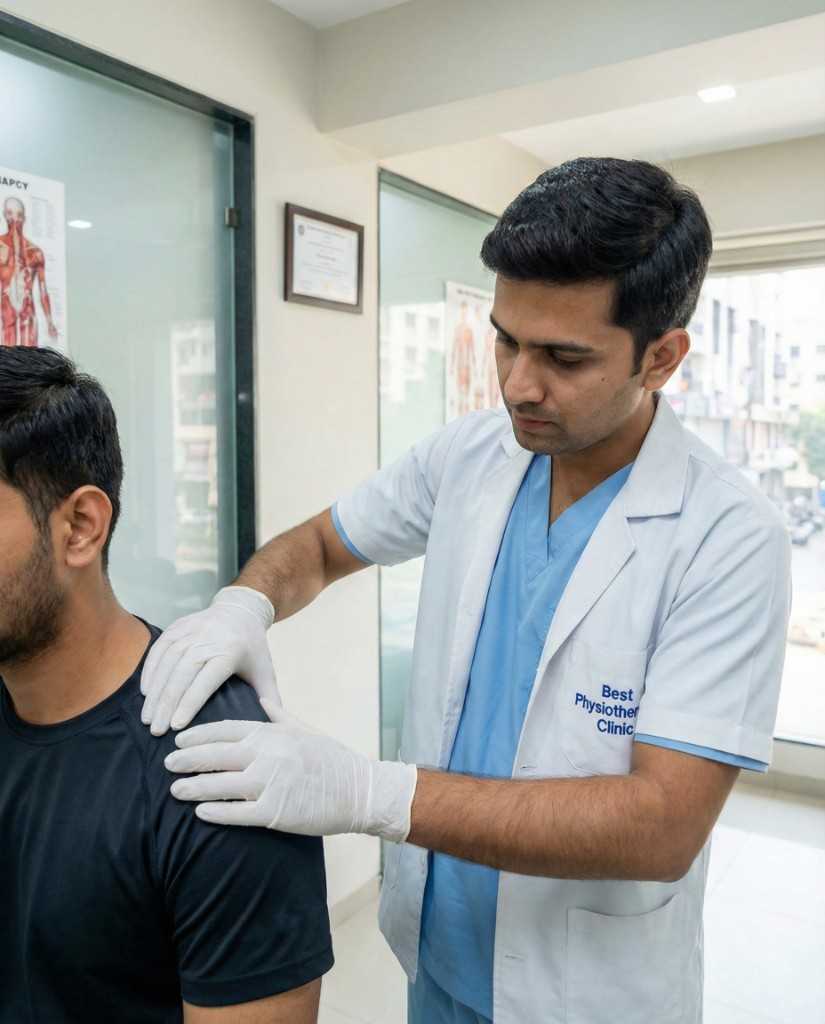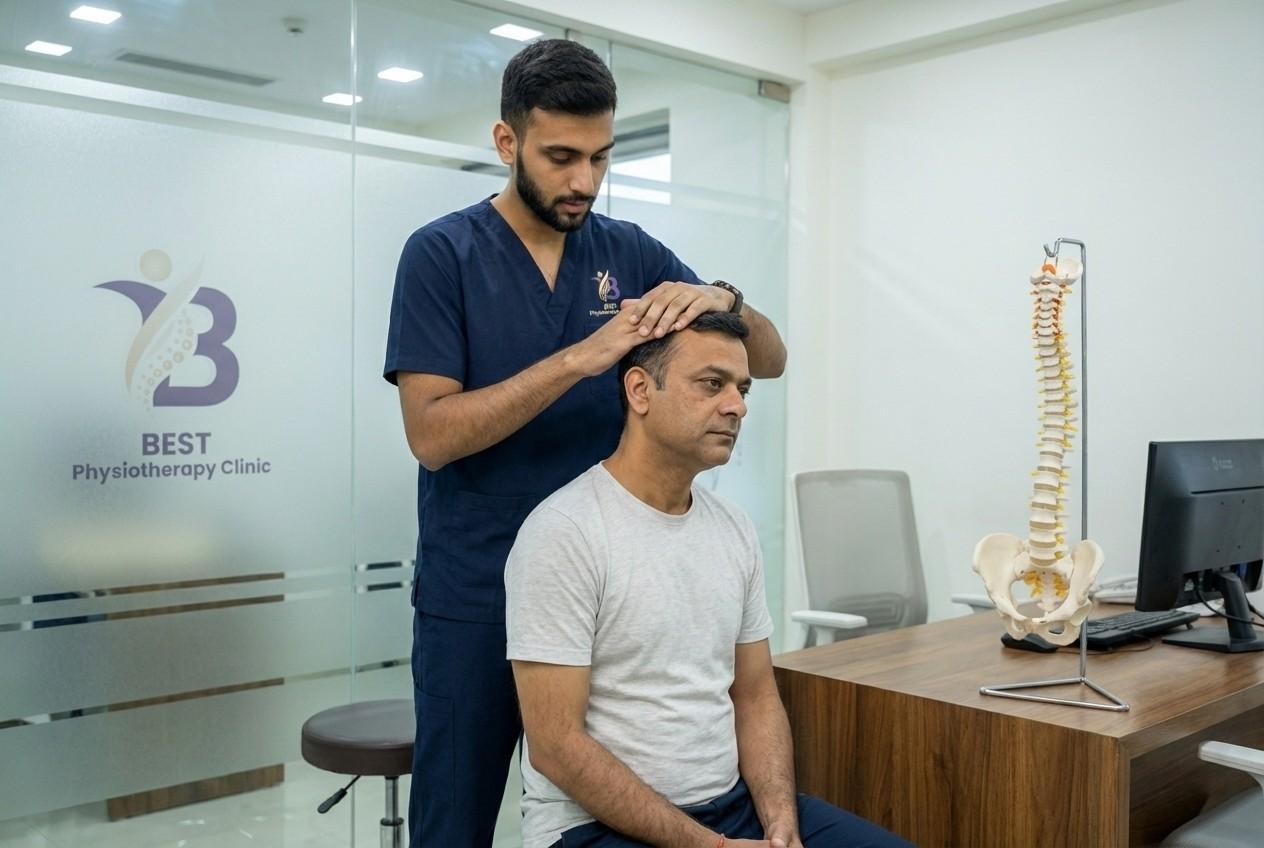
A “slipped disc in neck treatment” in the neck, clinically known as a cervical disc herniation, is a common and intensely painful condition that we specialize in treating non-surgically at Best Physiotherapy Clinic Bopal. This injury occurs when the soft, gel-like center of one of your cervical (neck) discs pushes out through a tear in its tough outer wall. Unlike a simple muscle strain, this “prolapsed disc” can then press directly on a sensitive nerve root as it exits the spine. This compression is what causes the hallmark symptoms of a “pinched nerve,” such as sharp pain, numbness, or tingling that radiates from your neck down into your shoulder, arm, and even your fingers. This condition is formally known as cervical radiculopathy, and our treatment for it is highly effective and evidence-based.
Our specialized slipped disc in neck physiotherapy program is a safe, gentle, and highly effective alternative to injections or surgery. We understand that this is a mechanical problem that requires a mechanical solution, not just rest or medication. Our Bopal physio team’s first goal is to provide immediate pinched nerve in neck relief by using gentle, hands-on techniques to decompress the nerve. We then move to the most critical phase: a specific, corrective exercise program that strengthens your deep neck muscles and corrects the underlying postural faults (like Forward Head Posture) that caused the disc to herniate in the first place. This two-part approach ensures we not only get you out of pain but also provide a long-term solution to keep the pain from returning.
The symptoms of a cervical disc herniation are often unmistakable because they follow the precise path of the compressed nerve. This is why our cervical radiculopathy treatment in Bopal begins with a detailed diagnostic exam. By mapping your symptoms, our therapists can identify exactly which nerve root is being irritated (e.g., C6, C7), which allows for a highly targeted and effective treatment plan. You should be assessed immediately if you experience these symptoms.
A cervical disc herniation can happen from an acute, sudden trauma (like a whiplash injury from a car accident or a sports collision), but it is far more common for the disc to fail as a result of a slow, cumulative process of degeneration and repetitive strain. The tough outer fibers of the disc (the annulus) weaken over months or years of poor mechanics, and then one day, a simple movement like a sneeze or turning your head to check your blind spot can be the “final straw” that causes the internal gel (the nucleus) to push out. Our slipped disc in neck physiotherapy program is designed to identify and correct these long-term underlying causes, which are most often rooted in modern-day habits.
The primary risk factors we see in our Bopal patients include: 1. Chronic Forward Head Posture: This is the number one cause. The “text neck” posture, where your head drifts forward to look at a phone or laptop, places immense, constant flexion and shear force on your lower cervical discs. For every inch your head moves forward, it adds 10 pounds of load, stressing the disc walls. 2. Poor Workplace Ergonomics: A monitor that is too low, a chair that provides no support, or a laptop used on a coffee table all force your neck into a damaging, flexed position for hours a day. Our ergonomic consultations are key to fixing this. 3. Repetitive Strain: Jobs or hobbies that involve constant looking down (e.g., dentists, jewelers, programmers, avid readers) or overhead work (e.g., painters, electricians) can lead to cumulative disc wear and tear. 4. Age-Related Degeneration: As we age, our discs naturally lose water content and become less resilient, making them more prone to tearing. Our intervertebral disc treatment aims to improve the health and hydration of these discs through gentle movement.
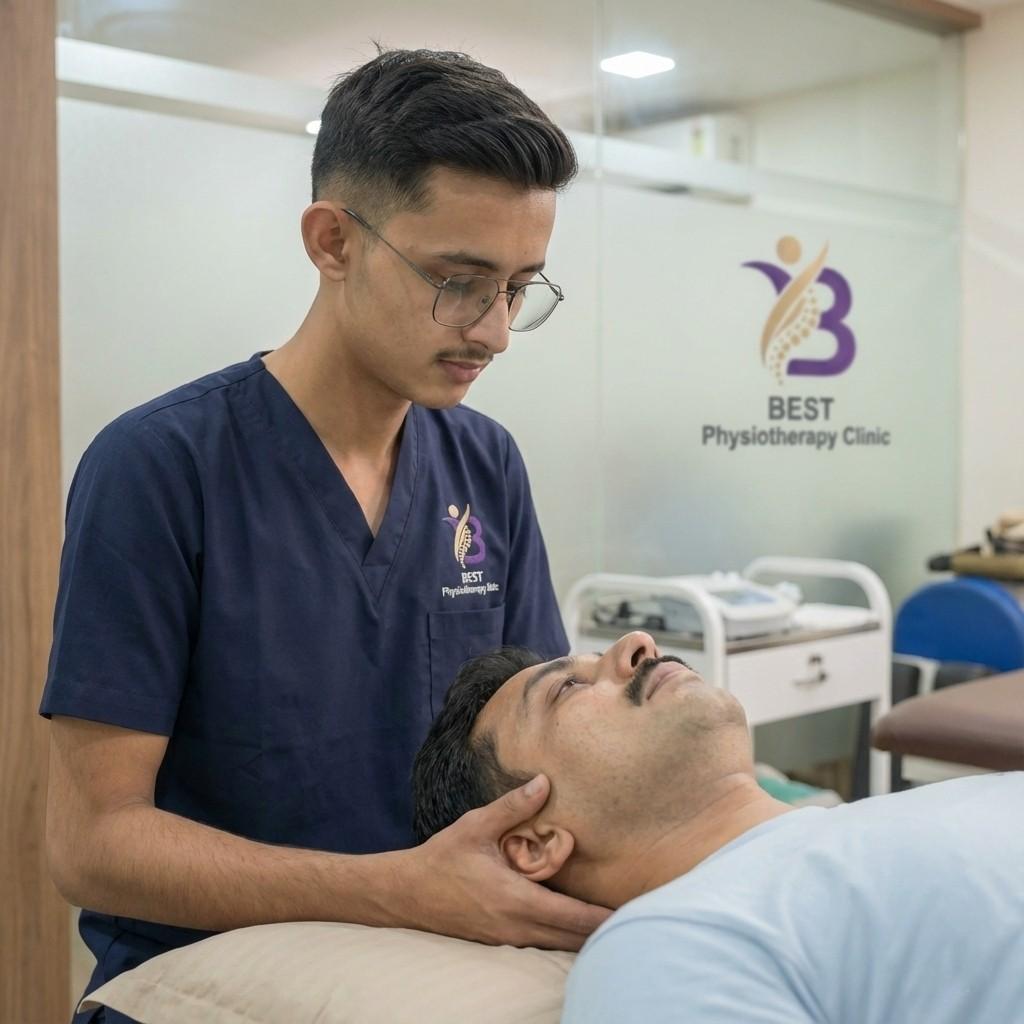
At Best Physiotherapy Clinic Bopal, we provide a definitive clinical diagnosis. Your 60-minute initial assessment is a comprehensive, neurological deep-dive to find the exact source of your pain. We do not rely on MRIs alone, as they often show “bulges” in people with no pain at all. We find the mechanical problem. Our COMT-certified therapists will listen to your history, then perform a full neurological exam, testing your arm strength (myotomes), sensation (dermatomes), and reflexes. We use a series of specialized orthopedic tests (like the Spurling’s Test and Upper Limb Tension Tests) that gently and safely “tension” the nerve roots. Your response to these tests allows us to confirm which nerve is compressed and why. This cervical radiculopathy treatment in Bopal is a diagnostic-led process, which is why it is so effective.
Diagnosis
The 'Why'
Our prolapsed disc physiotherapy is a non-surgical, evidence-based, and active recovery process. We will guide you through progressive phases, ensuring we are always respecting your tissue’s healing time. We don’t just use passive machines; we focus on a combination of advanced decompression techniques and corrective exercise, which is the gold standard for long-term success. Our goal is to move you from a state of intense pain and fear to one of strength, confidence, and complete functional recovery. We will teach you how to manage and heal your own neck.
01
This is the acute “calm it down” phase. Our entire focus is on providing pinched nerve in neck relief. We use gentle, hands-on Manual Cervical Traction to create space and “decompress” the inflamed nerve root. This is often combined with pain-relief modalities and specific, gentle movements that “centralize” your pain (moving it out of your arm and back to your neck), which is a key sign of healing.
02
Once the acute pain is under control, we must get the nerve moving freely again. We teach you a specific set of exercise therapy drills called “nerve glides” or “neural flossing.” These are gentle, sliding and tensioning movements for your arm and neck that help the nerve glide smoothly through its pathway, breaking down any minor scar tissue and restoring its normal, healthy mobility.
03
This is the most critical phase for preventing re-injury. Once your pain is gone, we initiate a deep core stabilization and functional training program. We teach you how to activate and strengthen your “deep neck flexors”—the “core” muscles of your neck—and your scapular stabilizers (mid-back muscles). This builds a strong, stable, “internal brace” for your cervical spine, permanently correcting your forward head posture.
When you are suffering from the debilitating nerve pain of a cervical disc herniation, you need a therapist with advanced, specialized training in the cervical spine. Our Bopal clinic is a leader in spinal care because our therapists are COMT-certified (Certified Orthopaedic Manual Therapists). This is a post-graduate certification that makes us experts in diagnosing and treating complex spinal and nerve conditions. We don’t just “treat neck pain”; we differentiate a stiff joint from a tight muscle, a disc bulge from a trigger point. We then use advanced techniques like Dry Needling to release deep, stubborn knots in your upper traps or Spinal Manipulation to safely “unlock” an acutely locked facet joint. This diagnostic precision and advanced skillset are what provide faster, more lasting neck pain relief therapy.
We are Bopal’s non-surgical cervical spine experts. We provide advanced cervical radiculopathy treatment by combining COMT-certified manual therapy with gentle cervical traction and a specific deep neck flexor stabilization program. We fix the root cause, providing lasting pinched nerve in neck relief and an effective alternative to injections or surgery.
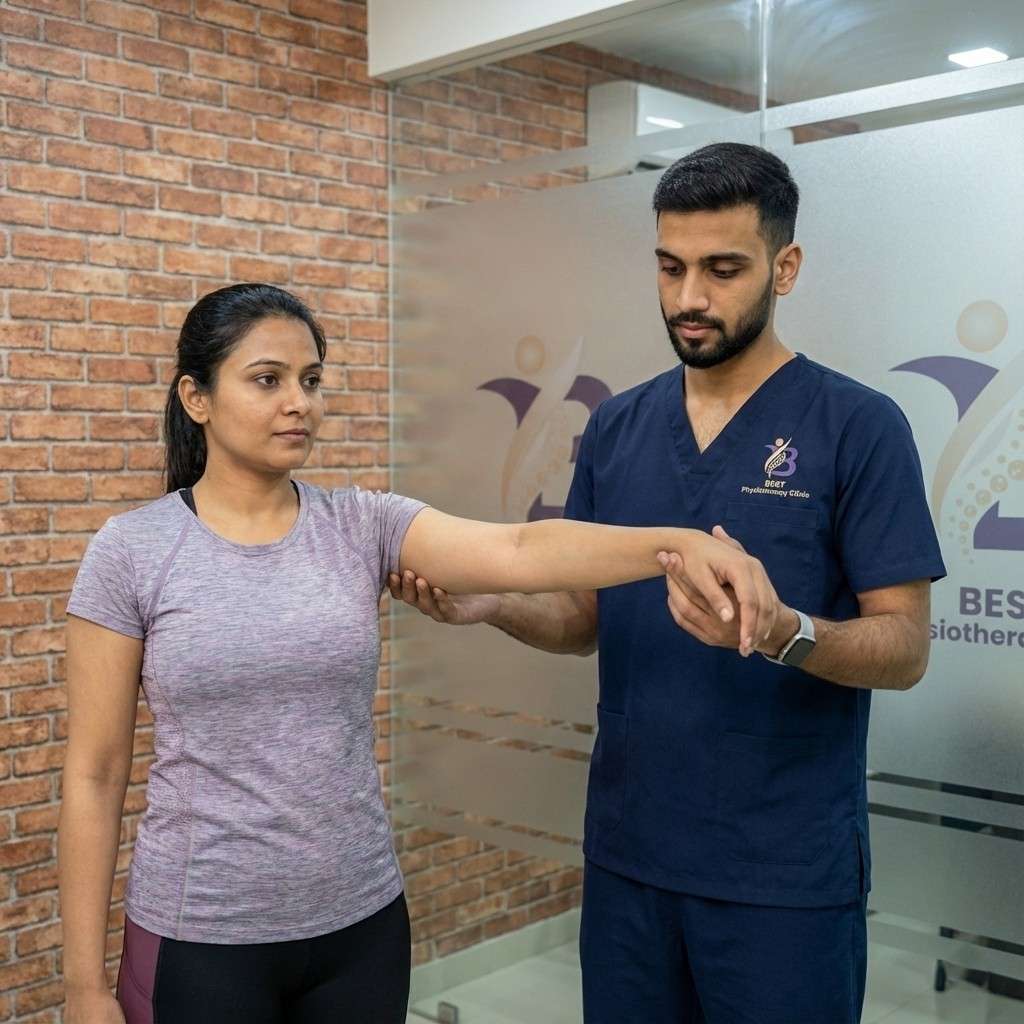
Our cervical radiculopathy treatment in Bopal is highly effective because it is precise. We don’t just use a generic heat pack. We use specific, evidence-based techniques to mechanically solve your mechanical problem. The most important of these is decompression. We use Manual Cervical Traction, a gentle, hands-on technique where our therapist uses their skill to apply a specific, angled pull to your neck, opening the exact joint space where the nerve is being pinched. This is often more comfortable and more specific than mechanical traction in the acute phase. We then pair this with a progressive cervical spine stabilization program, which is a set of posture correction exercises designed to build the “muscle corset” that will protect your disc as it heals and prevent the compression from returning.
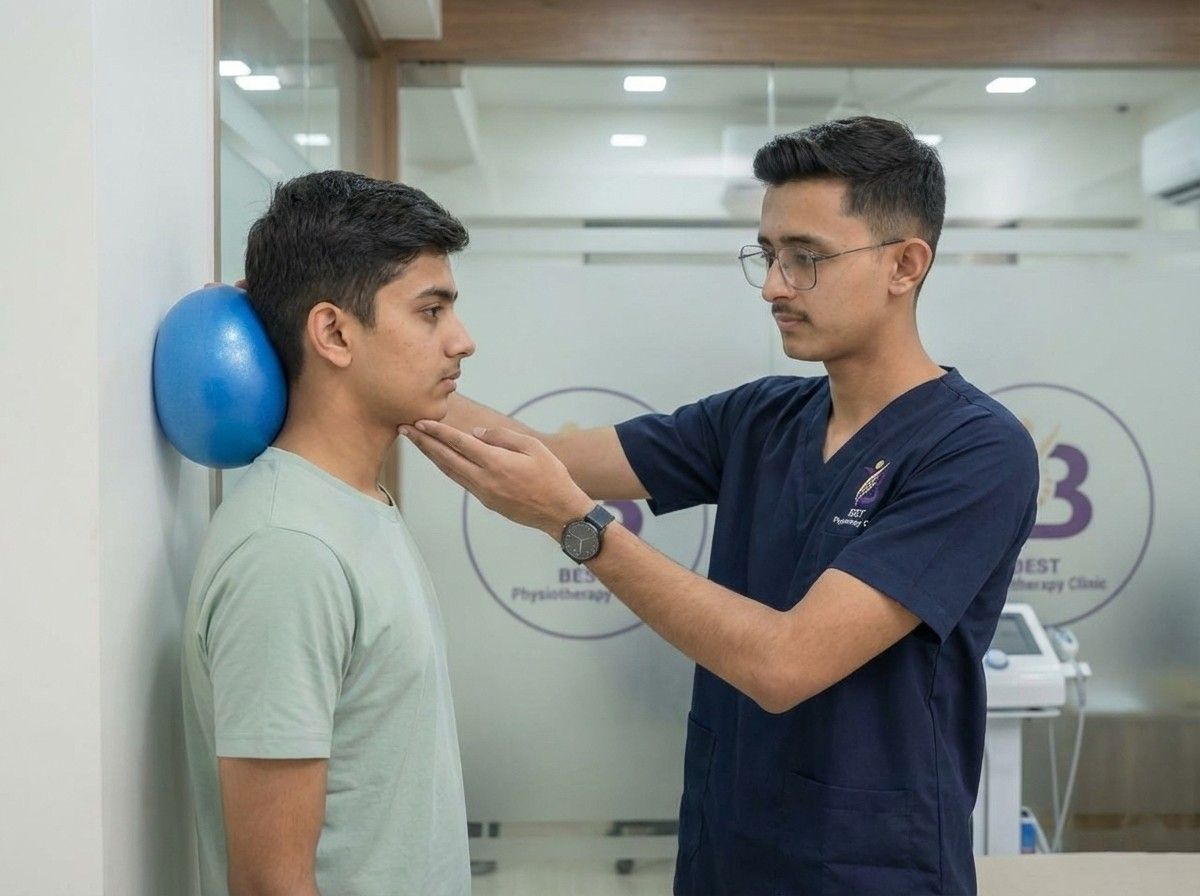
"Go to the hospital IMMEDIATELY if your neck pain is from a major trauma (fall/accident) or is with: severe, progressive weakness in both arms or legs, loss of balance, or new loss of bowel/bladder control. This can signify spinal cord compression."
"Our first step is a thorough neurological screen (testing strength, sensation, reflexes, and blood pressure) to rule out serious issues. Your safety is our absolute top priority."
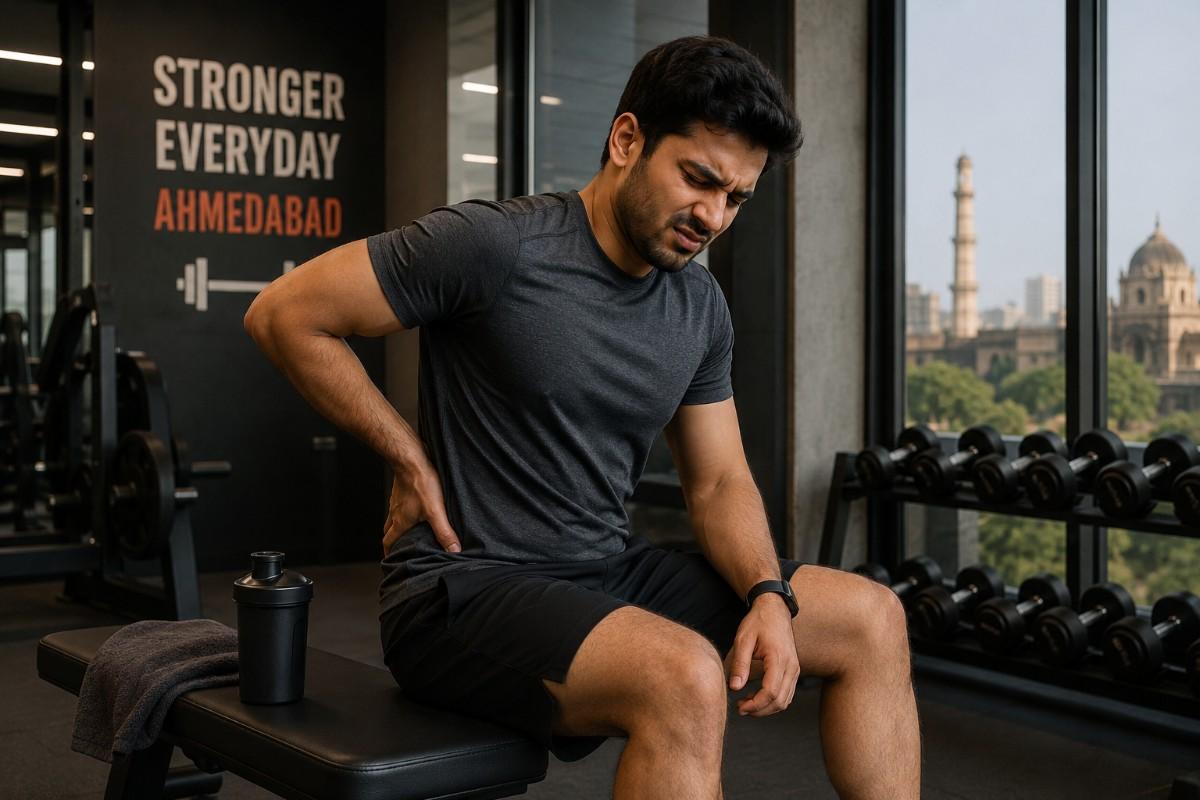
A "slipped disc" is just a common name for a herniated disc. Your spinal discs are soft cushions between your vertebrae. They have a tough outer layer and a soft, gel-like center. A "slip" or "herniation" happens when a tear in that tough outer layer allows some of the soft gel to bulge or "prolapse" outward. This prolapsed disc material can then press on a spinal nerve, causing intense back pain and, more commonly, radiating pain down your leg, known as sciatica. Our slipped disc treatment in Bopal is designed to safely and non-surgically fix this mechanical problem.
For the overwhelming majority of patients, the answer is no. This is the best news about disc injuries. Research is very clear that a 6-12 week course of active, structured physiotherapy (like ours) is just as effective as surgery for most prolapsed discs, but without any of the risks. Your body has an amazing ability to heal itself; our job is to create the perfect environment for it to do so. Our disc herniation physiotherapy, using spinal traction and specific directional exercises, helps decompress the nerve and allows your body's immune system to gradually "reabsorb" the herniated fragment. Surgery is reserved only for "Red Flag" emergencies or for the very small percentage of cases that fail a full, active conservative care program.
The best, evidence-based slipped disc therapy in Bopal is an active, multi-step approach, which is the exact model we use. It starts with Decompression & Centralization. This involves techniques like Mechanical Spinal Traction and specific directional preference exercises (e.g., McKenzie Method) to take the pressure off the nerve and "centralize" the pain (move it from your leg back to your spine). The second, and most important, phase is Stabilization. Once your pain is gone, we must correct the reason the disc slipped. This involves a progressive core stabilization and functional training program to build a strong "muscle corset" around your spine, protecting it from future re-injury.
Your recovery timeline depends 100% on your diagnosis, the severity of your condition, and your commitment to the active recovery plan. As a general guide for our Bopal patients: Acute Back Pain (a recent strain or "tweak") often feels significantly better within 1-3 sessions and is fully resolved in 2-4 weeks. Chronic Back Pain (pain lasting 3+ months) has a longer timeline, as we are retraining deep habits. You will often feel relief in the first 1-2 weeks, but a full recovery and strengthening program may take 6-12 weeks. Our goal is not a "quick fix"; our goal is a permanent solution.
Posted on GoogleTrustindex verifies that the original source of the review is Google. 👍👍👍👍Posted on GoogleTrustindex verifies that the original source of the review is Google. I was suffering from frozen shoulder for around 8 months and had a lot of difficulty lifting my arm or doing daily activities. I started physiotherapy with Dr. Kanaiya Gadhavi at his clinic in Bopal. He treated me with a proper combination of manual therapy, exercises, and machine therapy. He is very patient and explained everything clearly during the sessions. The recovery took some time, but under his treatment, my shoulder mobility improved almost 95% in about 3 months. Now I can do all my work comfortably without pain. Dr. Kanaiya is very experienced in shoulder cases and one of the best physiotherapists in Bopal.Posted on GoogleTrustindex verifies that the original source of the review is Google. I was suffering from severe neck and shoulder pain due to long hours of computer work. After visiting Best Physiotherapy Clinic, and Dr. Sagar Vyas treated me with great care and professionalism. His exercises and therapy sessions gave me quick relief and improved my posture too. The clinic is very clean, comfortable, and well-maintained. I truly appreciate Dr.Sagar for his personal attention and effective treatment. Highly recommended to anyone dealing with work-related pain.Posted on GoogleTrustindex verifies that the original source of the review is Google. I was suffering from severe neck pain due to long hours of computer work and could barely move my neck. A friend recommended Dr. Kanaiya at The Bopal Physio Clinic, and I’m really glad I visited. Dr. Kanaiya examined me thoroughly and started the treatment the same day. He used advanced machines and also guided me with effective exercises. Within three weeks, my pain reduced by almost 90%. Dr. Kanaiya is very knowledgeable, patient, and caring. He explains everything in simple terms, which makes the recovery process easier to follow. The Bopal Physio Clinic is definitely the best physiotherapy clinic in the Bopal area. Highly recommended!Posted on GoogleTrustindex verifies that the original source of the review is Google. As a footballer, an ACL injury was one of the toughest phases of my life, but thanks to Dr. Sagar, I’m back on my feet and training again! His diagnosis, guidance, and personalized treatment plan were spot on. He explained every step clearly and focused on both recovery and prevention, which helped me regain my strength and confidence. Dr. Sagar’s professionalism, patience, and deep understanding of sports injuries make him the best choice for any athlete dealing with knee or ligament issues. I truly appreciate his support and would highly recommend him to anyone looking for expert ACL treatment. Thank you, Dr. SagarPosted on GoogleTrustindex verifies that the original source of the review is Google. I was suffering from plantar fasciitis and had severe heel pain while walking. I visited Best Physiotherapy Clinic, Bopal, where I received excellent treatment and care. The therapy sessions included pain relief techniques and exercises that helped improve flexibility and strength. Along with the treatment, I was also given very useful ergonomic and lifestyle advice, which helped me make small changes in my daily routine and speed up my recovery. After completing my sessions, my heel pain reduced completely.Posted on GoogleTrustindex verifies that the original source of the review is Google. My dadi was suffering from severe sciatica pain, which made it difficult for her to stand or walk properly. We decided to visit Best Physiotherapy Clinic, Bopal for treatment. The physiotherapy sessions included pain relief therapy, stretching, and gentle strengthening exercises that were very effective for her condition. Within a few sessions, her leg pain and numbness reduced a lot, and now she can walk comfortably. The clinic also gave us very useful ergonomic and lifestyle advice to maintain her recovery at home. We’re very thankful for the care and attention given. I highly recommend Best Physiotherapy Clinic, Bopal for elderly patients with back or sciatica problems. Thanks to Dr kanaiyaPosted on GoogleTrustindex verifies that the original source of the review is Google. ⭐️⭐️⭐️⭐️⭐️ I was suffering from neck pain for a few days, and my friend suggested I visit Best Physiotherapy Clinic, Bopal. After proper assessment, Dr. Kanaiya Gadhavi started my treatment, which included laser therapy, electrical stimulation, and posture correction exercises. Within a few sessions, my pain was reduced significantly. Later, strengthening and stretching exercises helped me recover completely. Dr. Kanaiya Gadhavi is very polite, knowledgeable, and always explains everything clearly. He also guided me with proper ergonomic techniques to prevent future pain. I highly recommend Best Physiotherapy Clinic, Bopal for anyone suffering from neck or back pain.Posted on GoogleTrustindex verifies that the original source of the review is Google. I was suffering from pain in both knees for a long time. I visited Best Physiotherapy Clinic, Bopal, where Dr. Kanaiya Gadhavi treated me with laser therapy, strengthening exercises, and advanced physiotherapy techniques. Within a few sessions, my pain reduced a lot, and now I can walk comfortably. Dr. Kanaiya Gadhavi is very kind and supportive. Highly recommend this clinic for knee painPosted on GoogleTrustindex verifies that the original source of the review is Google. I was suffering from severe back pain, and another doctor had suggested surgery. Before going for that, I decided to visit Best Physiotherapy Clinic, Bopal for physiotherapy treatment. After proper assessment, I started regular sessions including pain relief therapy, strengthening, and posture correction exercises. Within a few weeks, my pain reduced a lot, and now I can do my daily activities comfortably — without any surgery. Along with the treatment, I also received very helpful ergonomic and lifestyle advice to prevent future back problems.
We provide expert physiotherapy care relieve pain restore mobility enhance recovery & improve overall well-being with personalized treatment plans.
Copyright © 2026 All Rights Reserved. Developed by Synectus