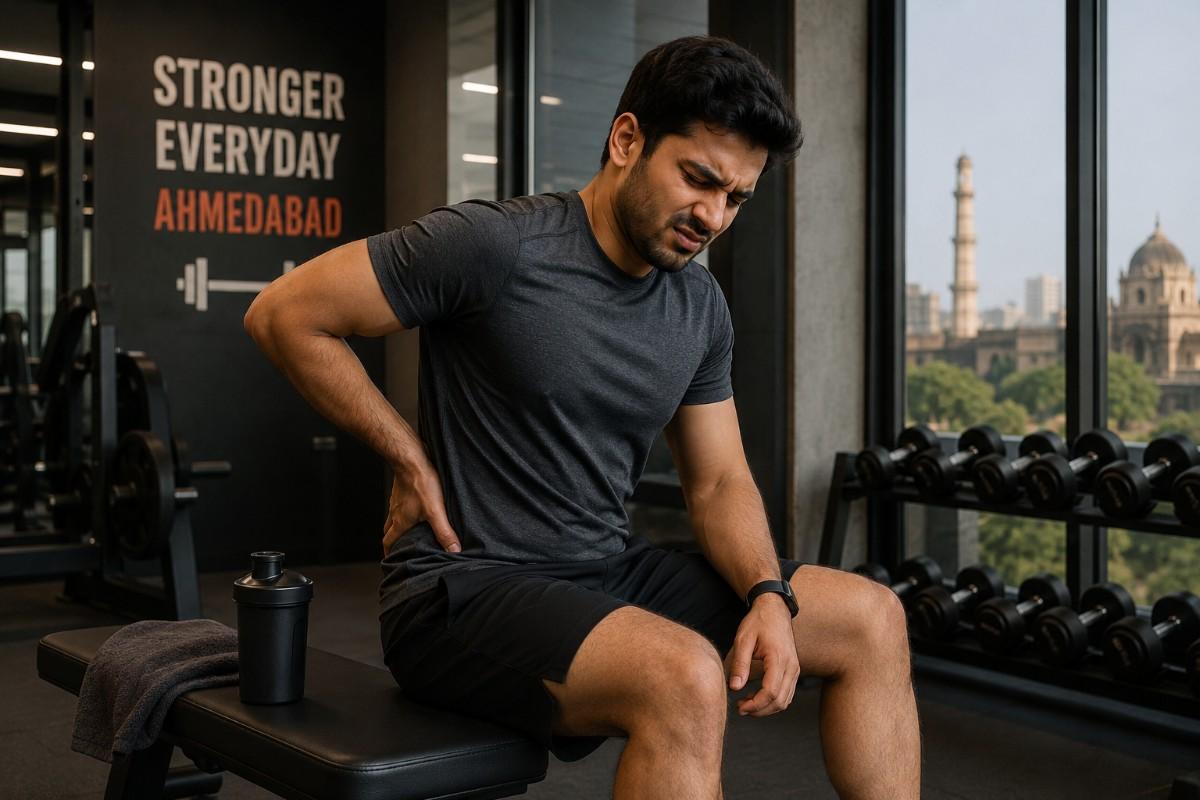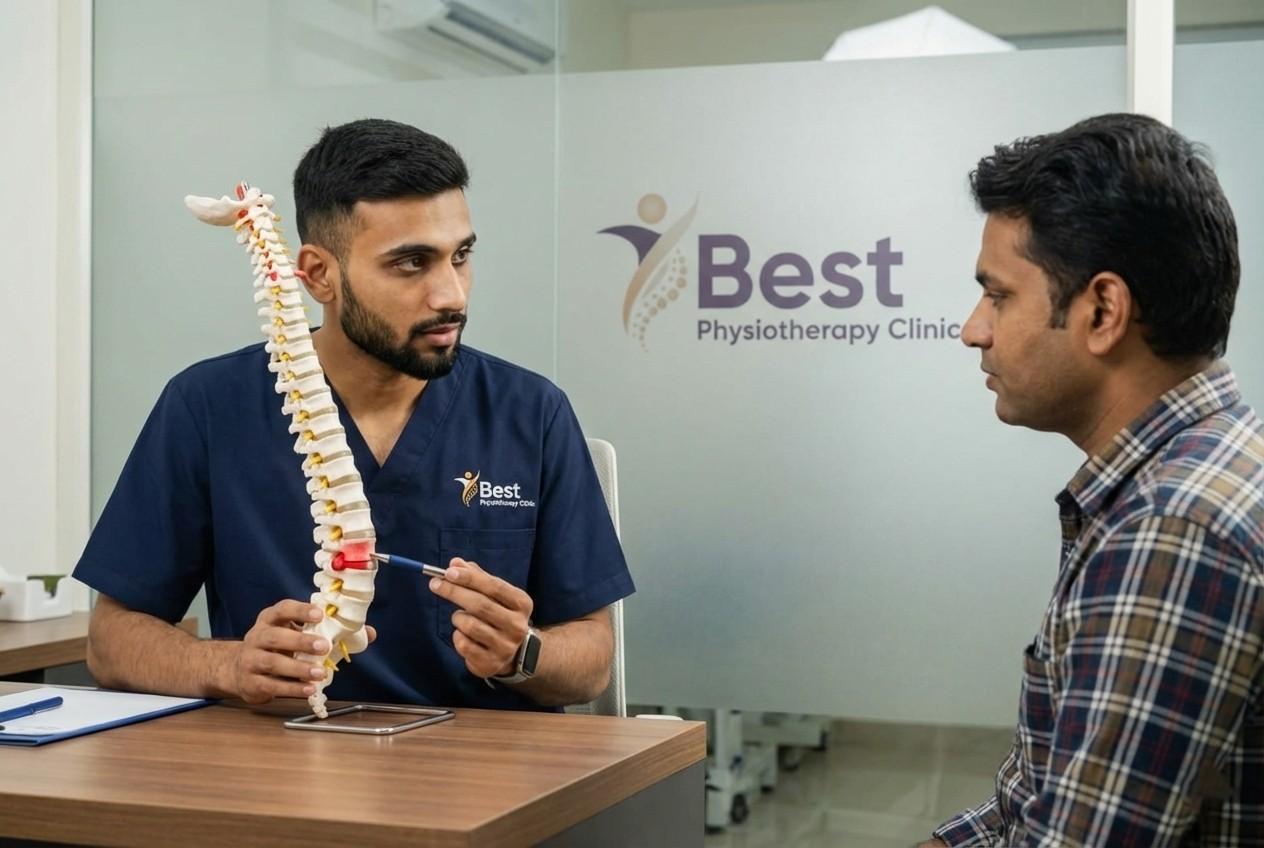
A “slipped disc treatment” is a common, informal term for what is clinically known as a Herniated Disc or “prolapsed disc.” It’s a highly painful condition, but the good news is that it is very responsive to physiotherapy. At Best Physiotherapy Clinic Bopal, we specialize in the non-surgical management of slipped discs. We want to be clear: your discs are firmly attached to your spine and cannot actually “slip” out of place. This term describes a condition where the tough outer wall of a spinal disc (the annulus fibrosus) tears, and the soft, gel-like center (the nucleus pulposus) bulges or “slips” out, often pressing on a spinal nerve, which is what causes intense back pain or sciatica.
Our Bopal physiotherapy clinic’s approach to prolapsed disc physiotherapy is evidence-based, active, and highly effective. We understand that this is a mechanical problem that requires a mechanical solution. Our primary goal is to provide fast, non-invasive slipped disc pain relief by decompressing the affected nerve and disc. We then follow this with a specific, progressive stabilization program to address the root cause of the injury, such as poor posture, muscle weakness, or faulty movement patterns. This comprehensive approach not only fixes the current problem but also provides you with the strength and knowledge to prevent it from ever happening again, making us a leading choice for non-surgical disc displacement therapy in Ahmedabad.
A disc prolapse is rarely caused by a single event. It is most often a cumulative injury that develops over time. The disc’s outer wall weakens gradually from repetitive stress until one final, often minor, movement (like bending to tie a shoe) causes the final tear. Our Bopal physiotherapy team focuses on identifying and correcting these underlying risk factors as the key to your long-term slipped disc treatment.
The main causes we see include: 1. Prolonged, Poor Sitting Posture: This is the #1 culprit. Slouching in an office chair or on a sofa puts the disc under constant, high-pressure flexion, forcing the gel-like center backward and straining the outer wall. Our ergonomic and posture correction programs are designed to fix this. 2. Improper Lifting Techniques: Lifting a heavy object with a rounded, flexed back (instead of with your legs) puts an enormous, sudden shearing force on the disc, which can cause an acute rupture. 3. Repetitive Bending & Twisting: Jobs or sports that involve constant bending and twisting (like construction or golf) can progressively weaken the disc wall over time. 4. Age & Deconditioning: As we age, our discs naturally lose some water, and our core muscles can weaken, making the spine less stable and more vulnerable to this type of disc displacement therapy.
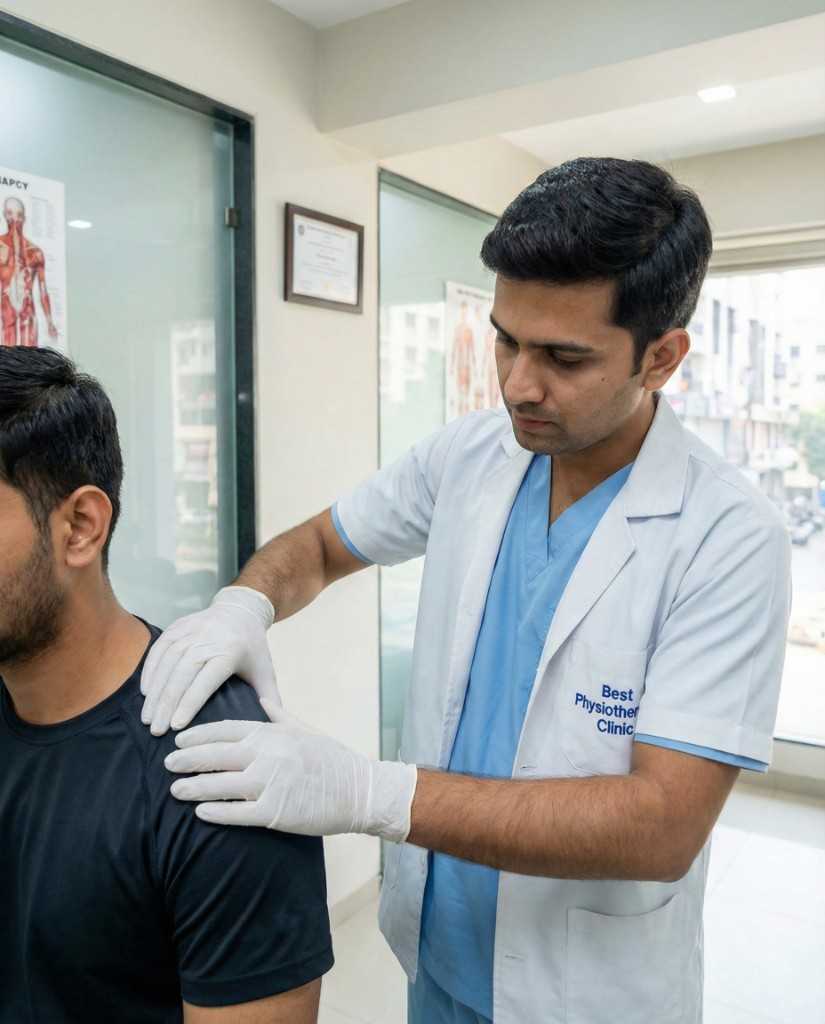
Your first visit to our Bopal clinic is a comprehensive, 60-minute diagnostic session. We don’t guess. We perform a “root cause analysis” to find why your back hurts. We listen to your history, your goals, and your fears. Then, our therapists (who are COMT-certified spinal experts) will perform a detailed physical and neurological exam. This includes a full movement screen to see how you bend, twist, and walk; a postural assessment to find imbalances; and a series of specialized orthopedic tests to identify the specific tissue (e.g., muscle, nerve, or disc) that is the source of your pain. This detailed assessment is what allows us to be the best physio for back pain in the Ahmedabad area—we create a precise, targeted treatment plan that is built just for you.
Diagnosis
The 'Why'
01
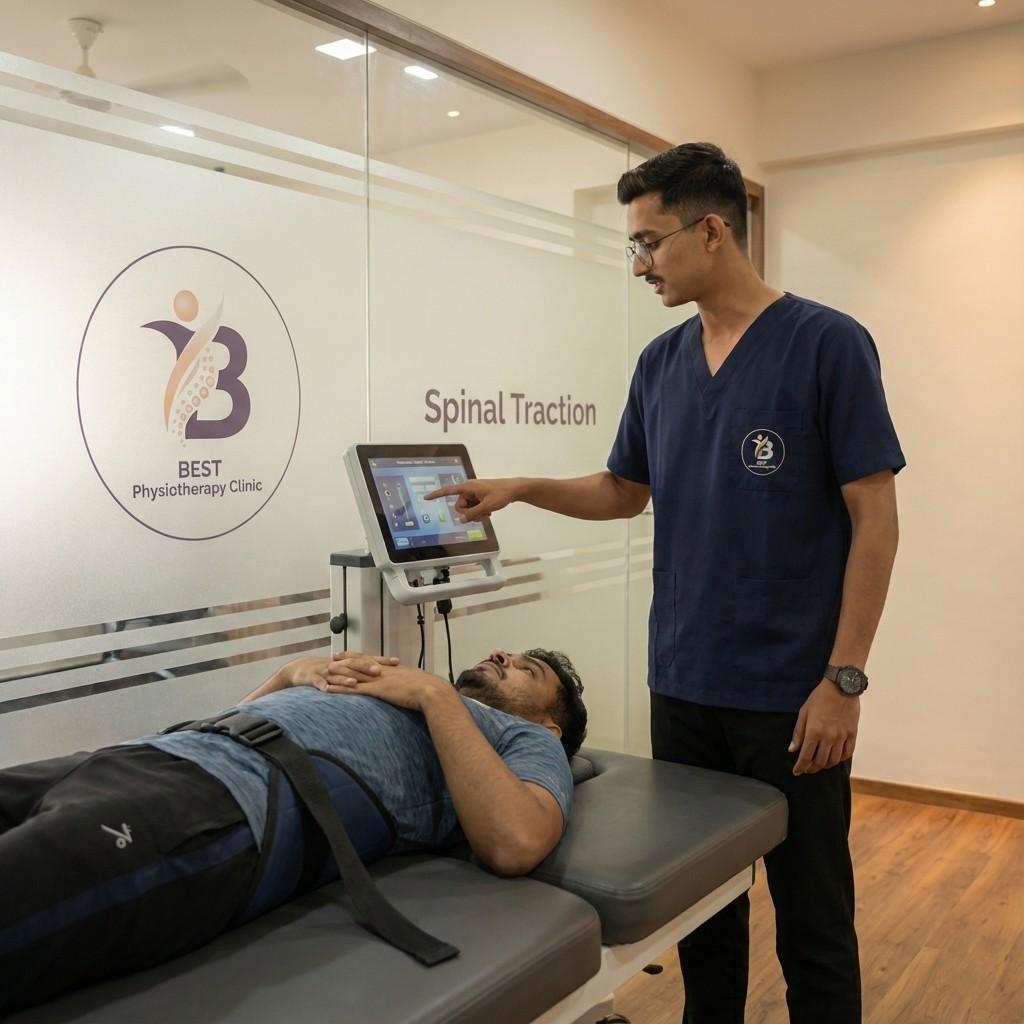
This is our immediate priority. We use hands-on manual therapy to calm muscle spasms and Mechanical Spinal Traction to gently decompress the spine. This creates a negative pressure in the disc, helping to “suck” the herniated material away from the nerve, providing immediate and significant relief from your leg or arm pain.
02
This is the core of our disc herniation physiotherapy. We teach you specific directional preference exercises (like the McKenzie Method). The goal is to “centralize” the pain—moving it from your leg back to your spine. This is a critical, positive sign that the nerve is decompressing and the disc is healing. We also add gentle “nerve flossing” exercises.
03
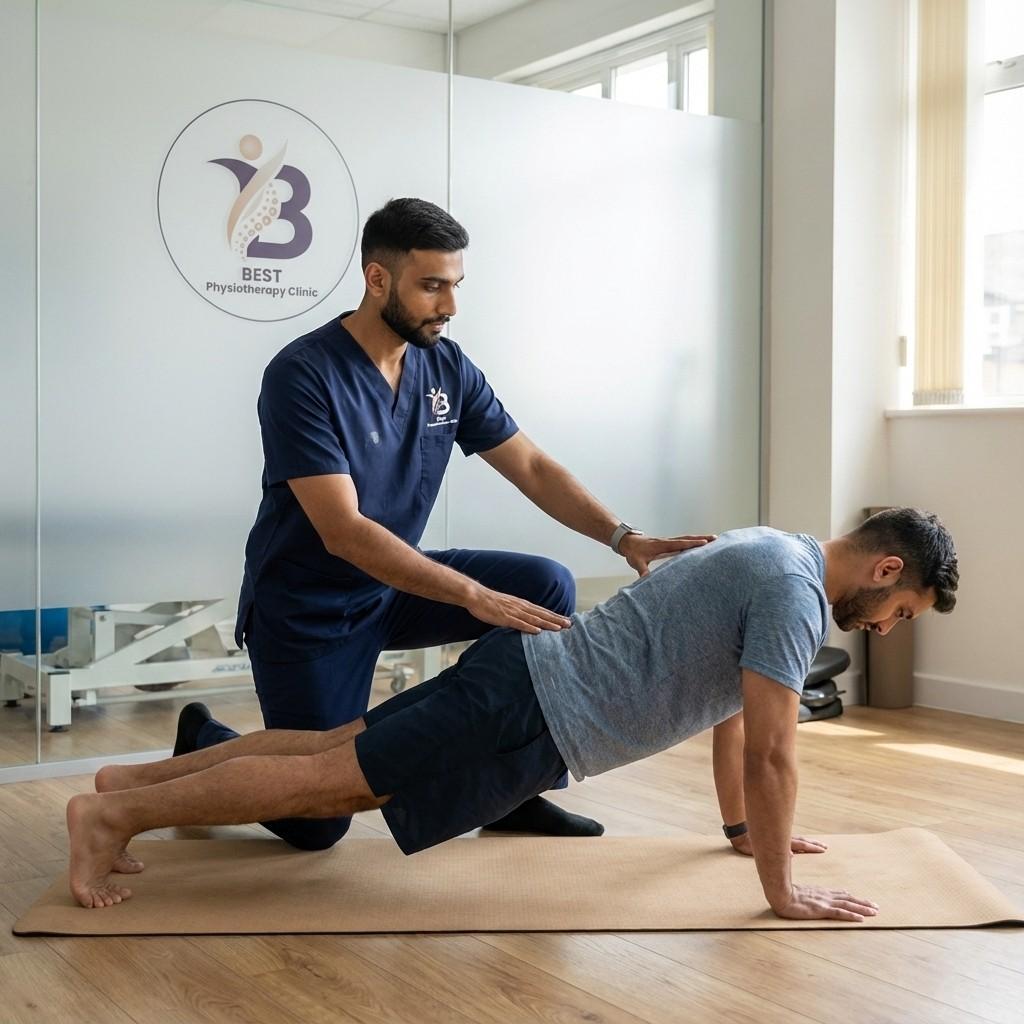
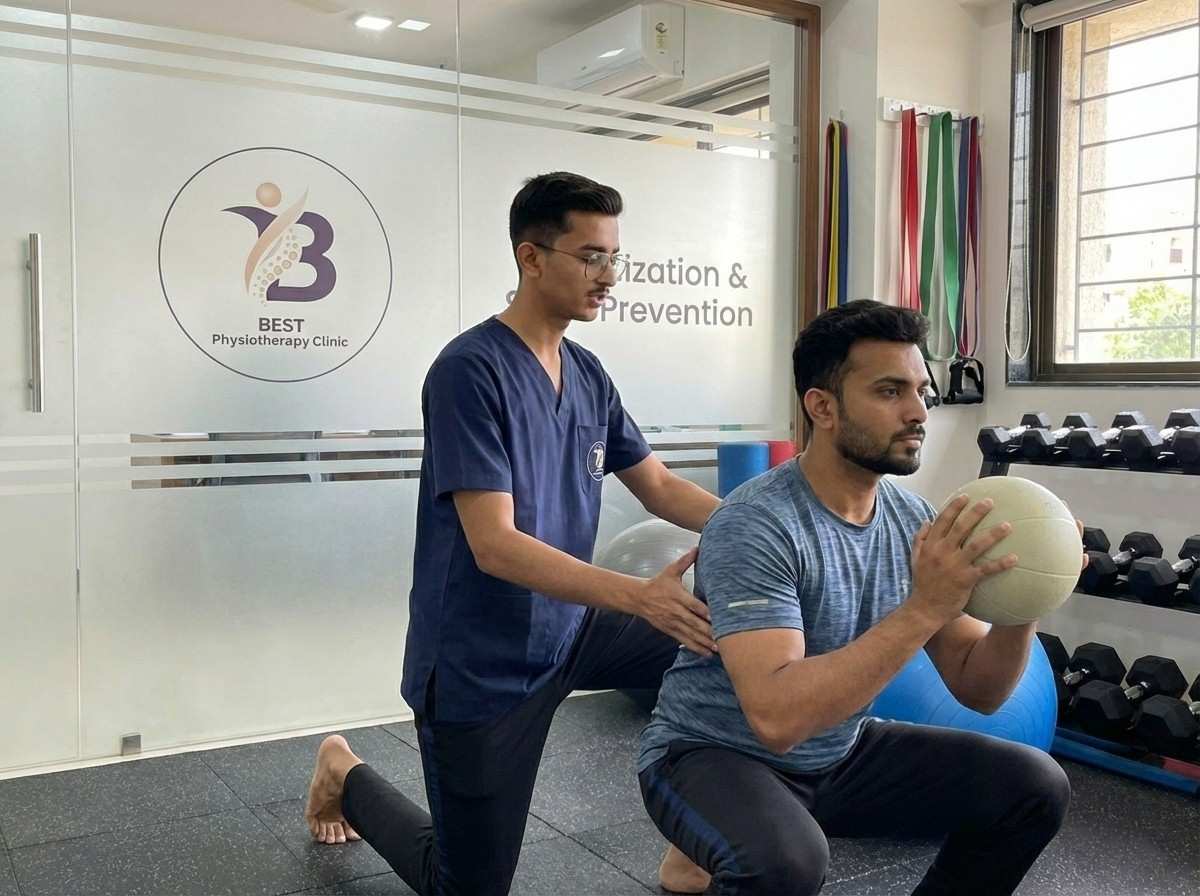
This is the most vital phase. Once your pain is under control, we begin a progressive core stabilization and functional training program. We strengthen the deep abdominal, gluteal, and back muscles that create a “natural corset” to protect your spine, correcting the instability that led to the prolapse and preventing it from happening again.
When you are suffering from the debilitating pain of a slipped disc, you need a clinic with advanced expertise and the right technology. Our Bopal physiotherapy clinic is a leader in non-surgical spinal care because our therapists are COMT-certified (Certified Orthopaedic Manual Therapists), giving them the highest level of training in spinal diagnosis and treatment. We don’t just “treat back pain”; we differentiate the type of back pain. We then pair this diagnostic skill with the gold-standard technology for disc issues: Mechanical Spinal Decompression. This combination of expert hands-on skill and advanced, evidence-based technology allows us to provide a level of care and a chance for non-surgical recovery that is unmatched in the Ahmedabad area.
We are Bopal’s non-surgical disc experts. We combine COMT-certified manual therapy with advanced spinal decompression and a corrective core stabilization program to fix the root cause of your pain. We are the true, effective alternative to injections and surgery.
For our patients in Bopal with a confirmed (or clinically suspected) herniated or bulging disc, our slipped disc therapy is built around our advanced Mechanical Spinal Traction unit. This is the centerpiece of our non-surgical spinal decompression program, a safe and powerful alternative that can provide relief where other treatments have failed.
Your safety is our absolute, non-negotiable priority. The vast majority of slipped discs are mechanical and respond extremely well to our physiotherapy. However, our first job is to be a diagnostic expert and rule out the rare, serious “red flag” conditions. During your initial assessment, we perform a thorough neurological and medical screening. We are trained to identify any signs that your pain may be caused by a more serious, non-mechanical issue.
"Seek URGENT care if your back pain is with: Loss of bowel/bladder control, progressive leg weakness, or saddle anesthesia."
"Our first step is a thorough neurological screen to rule out serious issues. Your safety is our absolute top priority."
A "slipped disc" is just a common name for a herniated disc. Your spinal discs are soft cushions between your vertebrae. They have a tough outer layer and a soft, gel-like center. A "slip" or "herniation" happens when a tear in that tough outer layer allows some of the soft gel to bulge or "prolapse" outward. This prolapsed disc material can then press on a spinal nerve, causing intense back pain and, more commonly, radiating pain down your leg, known as sciatica. Our slipped disc treatment in Bopal is designed to safely and non-surgically fix this mechanical problem.
For the overwhelming majority of patients, the answer is no. This is the best news about disc injuries. Research is very clear that a 6-12 week course of active, structured physiotherapy (like ours) is just as effective as surgery for most prolapsed discs, but without any of the risks. Your body has an amazing ability to heal itself; our job is to create the perfect environment for it to do so. Our disc herniation physiotherapy, using spinal traction and specific directional exercises, helps decompress the nerve and allows your body's immune system to gradually "reabsorb" the herniated fragment. Surgery is reserved only for "Red Flag" emergencies or for the very small percentage of cases that fail a full, active conservative care program.
The best, evidence-based slipped disc therapy in Bopal is an active, multi-step approach, which is the exact model we use. It starts with Decompression & Centralization. This involves techniques like Mechanical Spinal Traction and specific directional preference exercises (e.g., McKenzie Method) to take the pressure off the nerve and "centralize" the pain (move it from your leg back to your spine). The second, and most important, phase is Stabilization. Once your pain is gone, we must correct the reason the disc slipped. This involves a progressive core stabilization and functional training program to build a strong "muscle corset" around your spine, protecting it from future re-injury.
Yes, in almost all cases, walking is not only safe but highly recommended. Prolonged bed rest is an outdated and harmful treatment for a slipped disc, as it leads to muscle weakness and joint stiffness. Walking is a gentle, dynamic activity that helps to nourish the disc, promote blood flow, and reduce muscle spasms. The key is to listen to your body. You should start with short, frequent walks on a flat surface. If your pain (especially leg pain) gets worse as you walk, you should stop and rest. If it stays the same or feels better, it's a positive sign. Our Bopal physios will give you a specific walking program as part of your active recovery plan.
Posted on GoogleTrustindex verifies that the original source of the review is Google. 👍👍👍👍Posted on GoogleTrustindex verifies that the original source of the review is Google. I was suffering from frozen shoulder for around 8 months and had a lot of difficulty lifting my arm or doing daily activities. I started physiotherapy with Dr. Kanaiya Gadhavi at his clinic in Bopal. He treated me with a proper combination of manual therapy, exercises, and machine therapy. He is very patient and explained everything clearly during the sessions. The recovery took some time, but under his treatment, my shoulder mobility improved almost 95% in about 3 months. Now I can do all my work comfortably without pain. Dr. Kanaiya is very experienced in shoulder cases and one of the best physiotherapists in Bopal.Posted on GoogleTrustindex verifies that the original source of the review is Google. I was suffering from severe neck and shoulder pain due to long hours of computer work. After visiting Best Physiotherapy Clinic, and Dr. Sagar Vyas treated me with great care and professionalism. His exercises and therapy sessions gave me quick relief and improved my posture too. The clinic is very clean, comfortable, and well-maintained. I truly appreciate Dr.Sagar for his personal attention and effective treatment. Highly recommended to anyone dealing with work-related pain.Posted on GoogleTrustindex verifies that the original source of the review is Google. I was suffering from severe neck pain due to long hours of computer work and could barely move my neck. A friend recommended Dr. Kanaiya at The Bopal Physio Clinic, and I’m really glad I visited. Dr. Kanaiya examined me thoroughly and started the treatment the same day. He used advanced machines and also guided me with effective exercises. Within three weeks, my pain reduced by almost 90%. Dr. Kanaiya is very knowledgeable, patient, and caring. He explains everything in simple terms, which makes the recovery process easier to follow. The Bopal Physio Clinic is definitely the best physiotherapy clinic in the Bopal area. Highly recommended!Posted on GoogleTrustindex verifies that the original source of the review is Google. As a footballer, an ACL injury was one of the toughest phases of my life, but thanks to Dr. Sagar, I’m back on my feet and training again! His diagnosis, guidance, and personalized treatment plan were spot on. He explained every step clearly and focused on both recovery and prevention, which helped me regain my strength and confidence. Dr. Sagar’s professionalism, patience, and deep understanding of sports injuries make him the best choice for any athlete dealing with knee or ligament issues. I truly appreciate his support and would highly recommend him to anyone looking for expert ACL treatment. Thank you, Dr. SagarPosted on GoogleTrustindex verifies that the original source of the review is Google. I was suffering from plantar fasciitis and had severe heel pain while walking. I visited Best Physiotherapy Clinic, Bopal, where I received excellent treatment and care. The therapy sessions included pain relief techniques and exercises that helped improve flexibility and strength. Along with the treatment, I was also given very useful ergonomic and lifestyle advice, which helped me make small changes in my daily routine and speed up my recovery. After completing my sessions, my heel pain reduced completely.Posted on GoogleTrustindex verifies that the original source of the review is Google. My dadi was suffering from severe sciatica pain, which made it difficult for her to stand or walk properly. We decided to visit Best Physiotherapy Clinic, Bopal for treatment. The physiotherapy sessions included pain relief therapy, stretching, and gentle strengthening exercises that were very effective for her condition. Within a few sessions, her leg pain and numbness reduced a lot, and now she can walk comfortably. The clinic also gave us very useful ergonomic and lifestyle advice to maintain her recovery at home. We’re very thankful for the care and attention given. I highly recommend Best Physiotherapy Clinic, Bopal for elderly patients with back or sciatica problems. Thanks to Dr kanaiyaPosted on GoogleTrustindex verifies that the original source of the review is Google. ⭐️⭐️⭐️⭐️⭐️ I was suffering from neck pain for a few days, and my friend suggested I visit Best Physiotherapy Clinic, Bopal. After proper assessment, Dr. Kanaiya Gadhavi started my treatment, which included laser therapy, electrical stimulation, and posture correction exercises. Within a few sessions, my pain was reduced significantly. Later, strengthening and stretching exercises helped me recover completely. Dr. Kanaiya Gadhavi is very polite, knowledgeable, and always explains everything clearly. He also guided me with proper ergonomic techniques to prevent future pain. I highly recommend Best Physiotherapy Clinic, Bopal for anyone suffering from neck or back pain.Posted on GoogleTrustindex verifies that the original source of the review is Google. I was suffering from pain in both knees for a long time. I visited Best Physiotherapy Clinic, Bopal, where Dr. Kanaiya Gadhavi treated me with laser therapy, strengthening exercises, and advanced physiotherapy techniques. Within a few sessions, my pain reduced a lot, and now I can walk comfortably. Dr. Kanaiya Gadhavi is very kind and supportive. Highly recommend this clinic for knee painPosted on GoogleTrustindex verifies that the original source of the review is Google. I was suffering from severe back pain, and another doctor had suggested surgery. Before going for that, I decided to visit Best Physiotherapy Clinic, Bopal for physiotherapy treatment. After proper assessment, I started regular sessions including pain relief therapy, strengthening, and posture correction exercises. Within a few weeks, my pain reduced a lot, and now I can do my daily activities comfortably — without any surgery. Along with the treatment, I also received very helpful ergonomic and lifestyle advice to prevent future back problems.
We provide expert physiotherapy care relieve pain restore mobility enhance recovery & improve overall well-being with personalized treatment plans.
Copyright © 2026 All Rights Reserved. Developed by Synectus