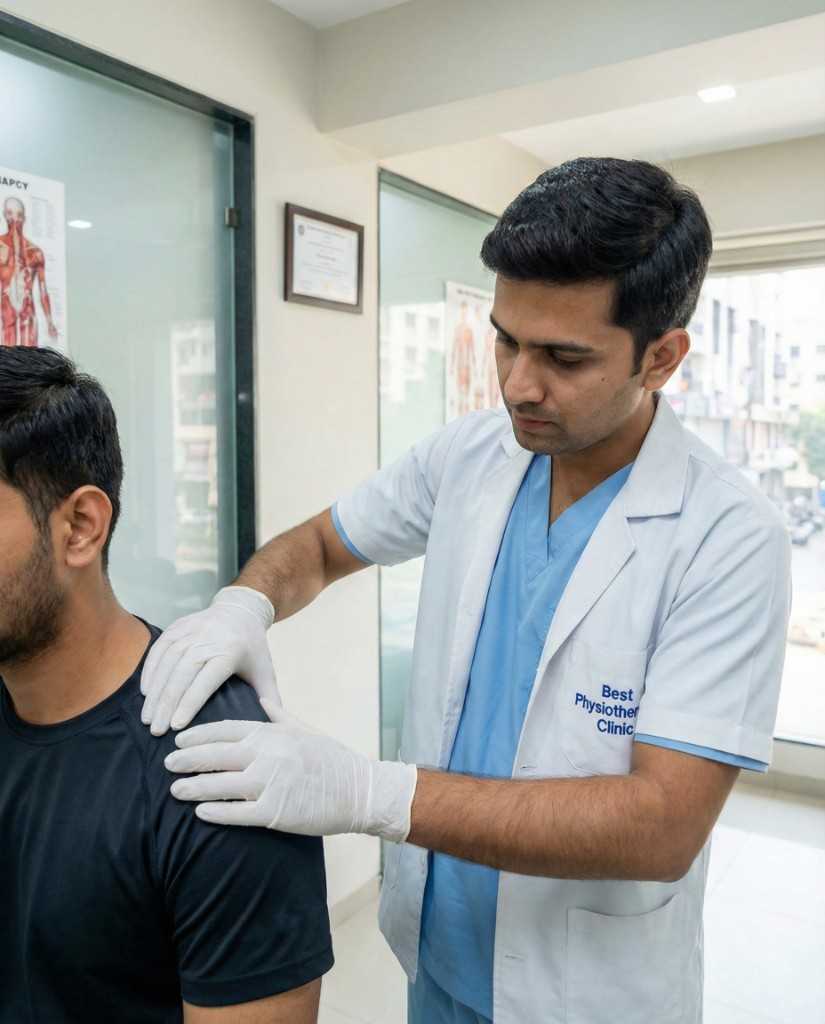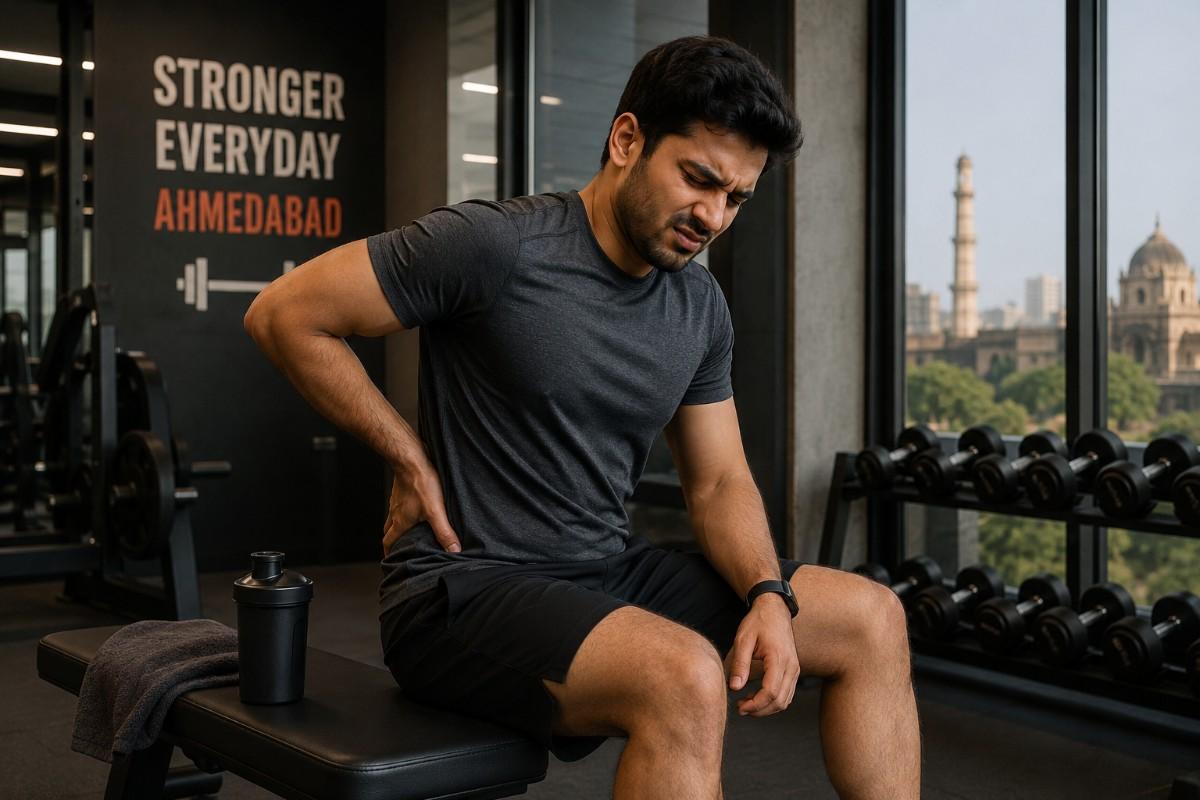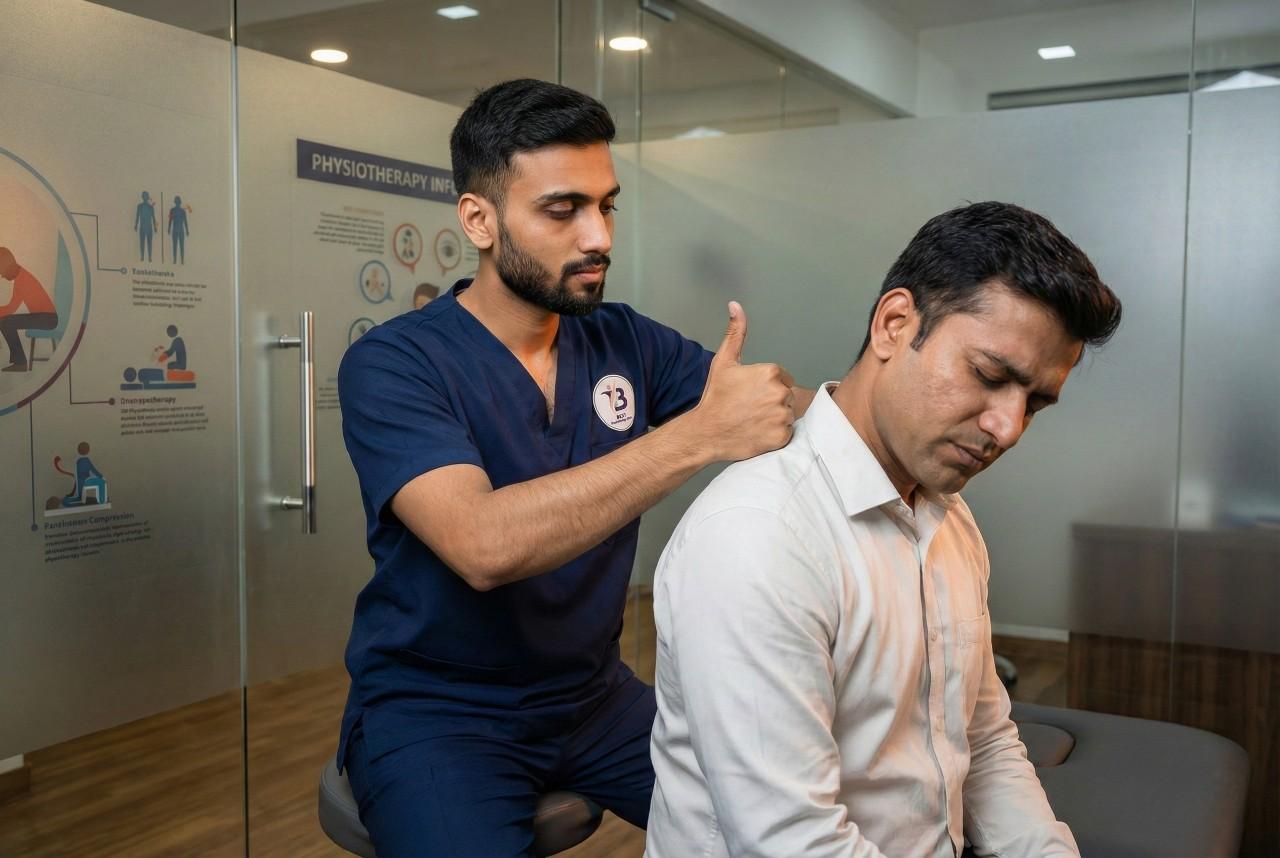
Trigger Point Therapy is a highly specific form of manual therapy designed to find and deactivate “trigger points” within the muscle tissue. These points, often called muscle knots, are hyper-irritable spots in taut bands of muscle that are painful when compressed. More importantly, they often cause “referred pain”—pain that shows up in a different part of your body. At Best Physiotherapy Clinic Bopal, our certified therapists are experts in locating and treating these points to provide rapid, lasting pain relief.
This therapy is a cornerstone of treating myofascial pain syndrome, a common condition responsible for chronic headaches, neck pain, and lower back pain. By applying precise, sustained pressure (ischemic compression) or using Dry Needling, we “release” the knot, which immediately deactivates the pain signal, releases muscle tension, and restores normal mobility. This is not a general massage; it’s a precise neurological treatment to turn off your pain.
Trigger points are a primary source of pain that is often misdiagnosed. Releasing them is essential because they don’t just cause local pain; they can shorten muscles, restrict range of motion, and create pain patterns (like sciatica-like symptoms) far from the actual source. Our Bopal physio team targets these points to eliminate the root of the problem, not just chase the symptoms.
98% Success
Dr. Sagar
Dr. Kanaiya
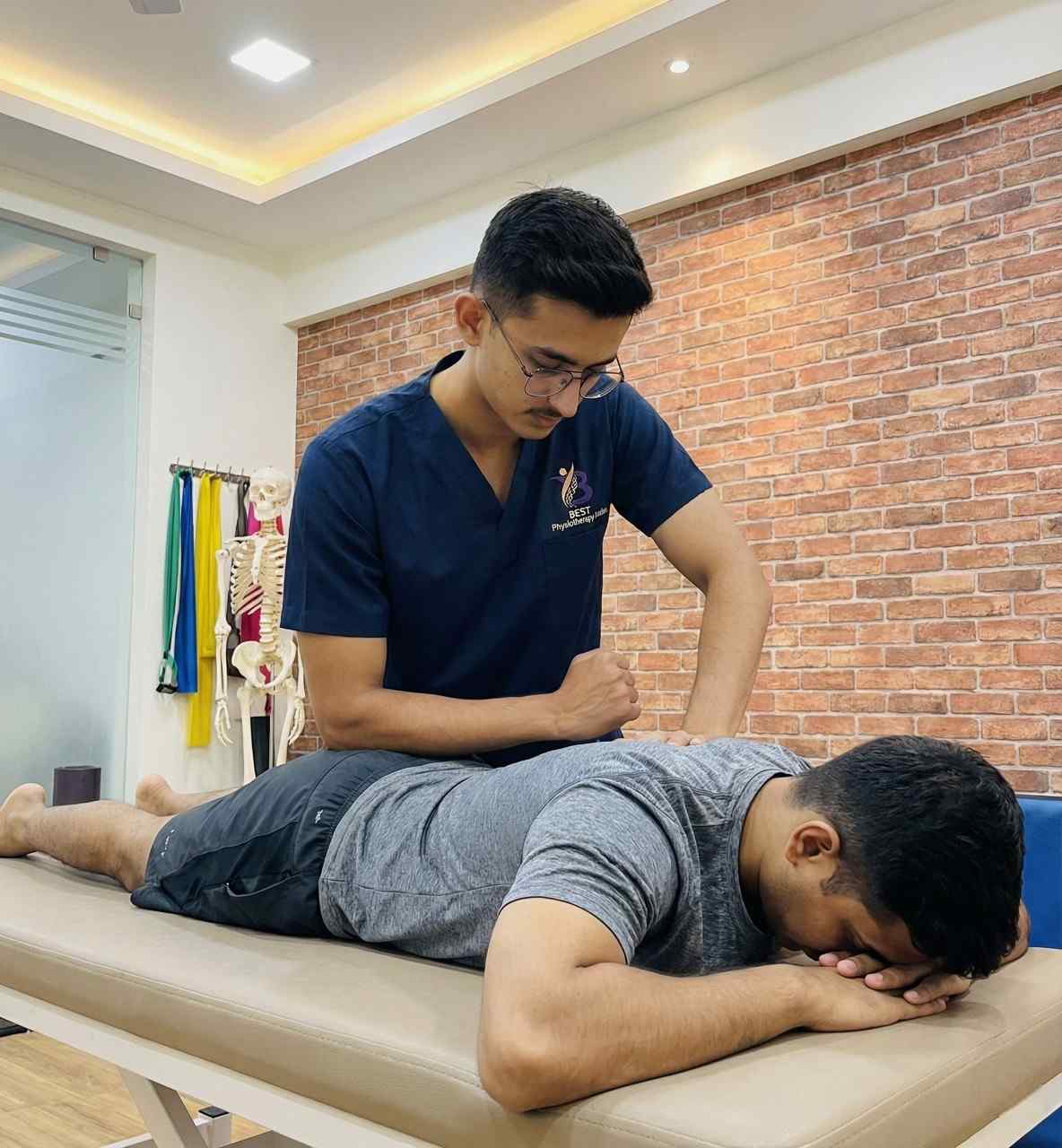
Your journey begins with a detailed “pain mapping” assessment. We will listen to your symptoms and then use skilled palpation to locate the active trigger points that reproduce your specific pain pattern. This confirmation is key. Once we’ve identified the source, Dr. Sagar or Dr. Kanaiya will begin a precise, personalized treatment protocol.
01
02
We use one of two primary methods: Ischemic Compression (sustained, deep pressure) to “starve” the trigger point of blood flow, forcing it to release; or Dry Needling, which uses a fine needle to elicit a “twitch response,” instantly resetting the muscle spindle and releasing the knot.
03
This is the most critical step. After the pain is relieved, we immediately introduce stretching and corrective exercises. This retrains the muscle in its new, lengthened state and addresses the postural or movement faults that created the trigger point in the first place, ensuring a long-term solution.
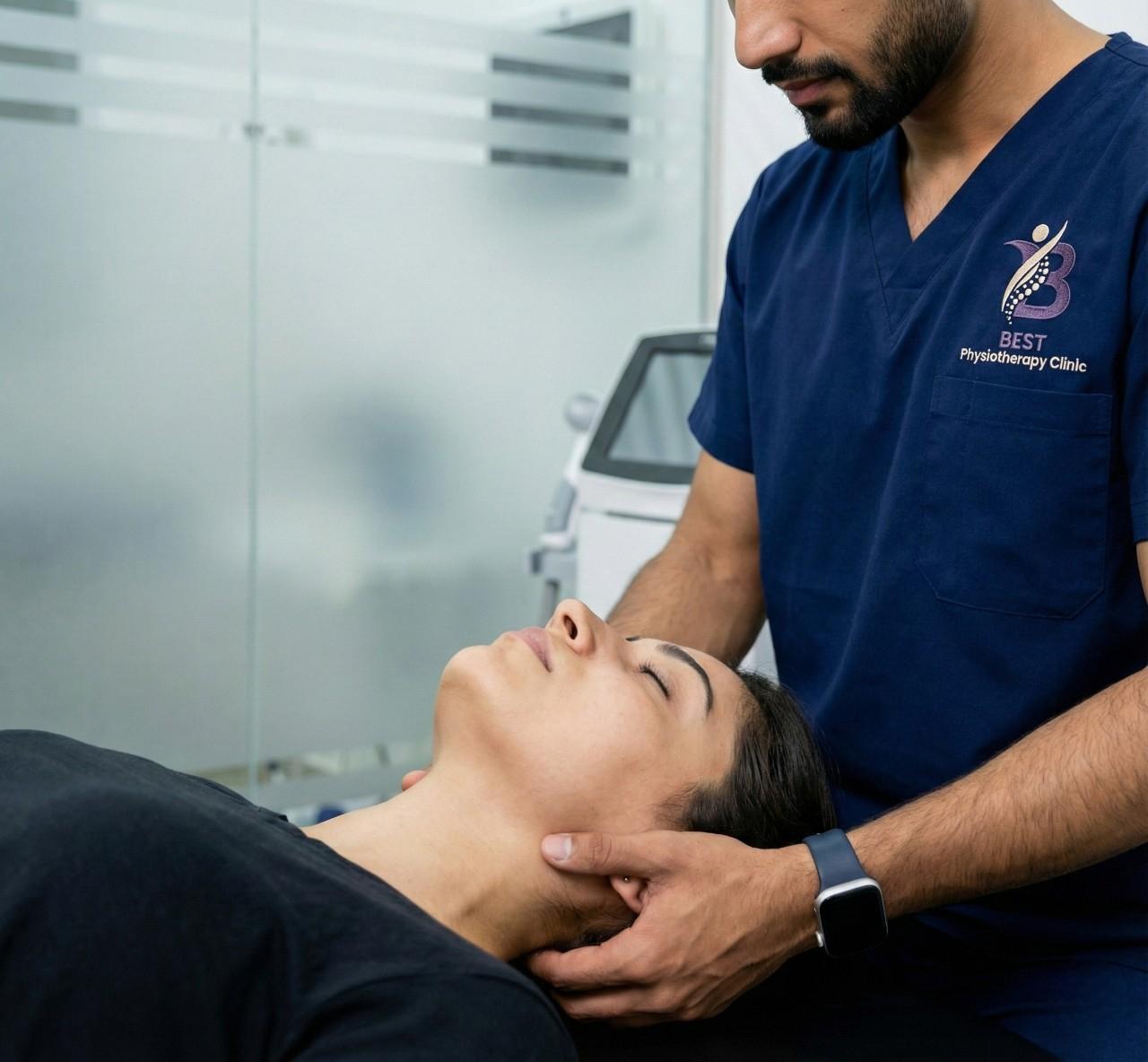
“I had 3-4 tension headaches a week for years. Dr. Kanaiya found trigger points in my upper traps and suboccipital muscles. After the first session of trigger point therapy, I was headache-free for a full week. It’s completely changed my life.”
“I was told I had sciatica and needed surgery. Dr. Sagar assessed me and found the pain was actually referred from a trigger point in my glute (piriformis syndrome). One session of dry needling released the knot, and my ‘sciatica’ was gone.”
Our clinic is built on a foundation of trust and proven results. Our therapists have completed advanced, post-graduate certification in Myofascial Trigger Point Treatment and Dry Needling. We are not just performing “pressure point therapy”; we are applying a deep, evidence-based understanding of the neuromuscular system to resolve your pain at its source. We follow the research and protocols established by leaders in the field, ensuring your care is safe, modern, and effective.
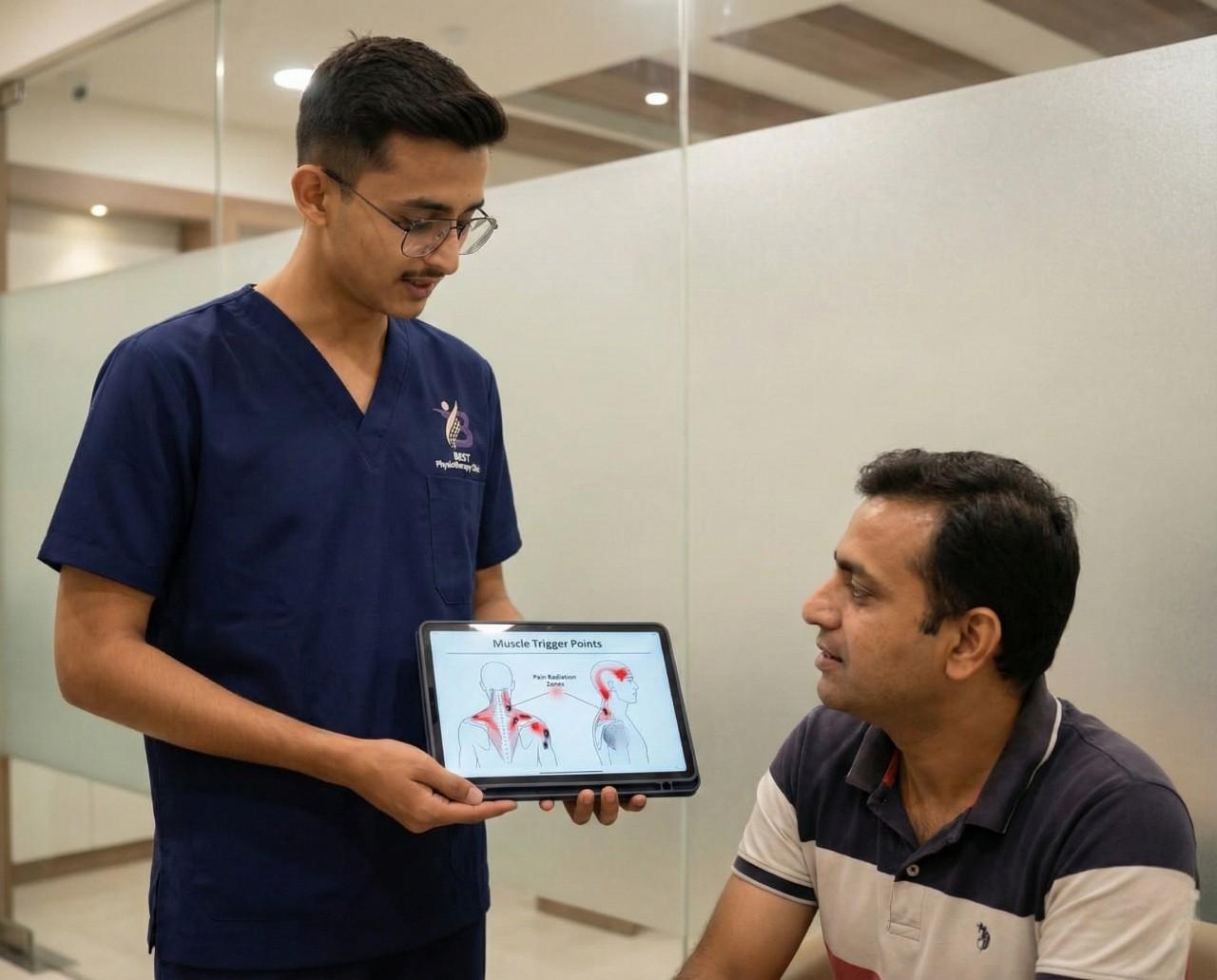
Our therapists perform a detailed pain-mapping and palpation exam.
We design a custom plan to deactivate your trigger points and correct the cause.
Trigger point therapy is often described as a "good hurt." When the therapist applies pressure to an active trigger point, it will feel tender and will likely reproduce your familiar pain pattern (e.g., pressing your shoulder makes your headache appear). This is a positive sign that we've found the right spot. The therapist will hold the pressure (or use the needle) until they feel the muscle "release" or soften, and your pain level significantly decreases. Most patients feel an immediate sense of relief and increased range of motion right after the technique is finished.
While only a certified therapist can provide a definitive diagnosis, there are common clues. Does your pain feel deep, dull, and achy? Does it show up in one area, even though the "problem" seems to be somewhere else (referred pain)? Do you have "knots" that, when pressed, send a jolt of pain or sensation? If you answered yes to these, it is highly likely a myofascial trigger point is involved. Our Bopal team can confirm this with a simple palpation test during your initial assessment. This is a key part of our manual therapy evaluation.
No, but they are closely related and treat the same problem. Trigger Point Therapy (or Ischemic Compression) uses hands, thumbs, or tools to apply sustained pressure from the outside. Dry Needling uses a very thin filiform needle to treat the trigger point from the inside, often causing a "local twitch response" which is a rapid release. At our Bopal clinic, we offer both. Dr. Sagar and Dr. Kaniya will consult with you to decide which method is safer and more effective for your specific condition and comfort level.
This depends on whether your condition is acute or chronic. For an acute muscle knot (e.g., you "slept wrong"), you may feel 80-100% relief after just 1-2 sessions. For chronic myofascial pain (present for 6+ months), it may take 4-6 sessions to fully deactivate the trigger points and, more importantly, to correct the underlying postural or movement issues that keep causing them. Our goal is not just to provide temporary relief but to deliver a long-term solution through corrective functional training.
Posted on GoogleTrustindex verifies that the original source of the review is Google. 👍👍👍👍Posted on GoogleTrustindex verifies that the original source of the review is Google. I was suffering from frozen shoulder for around 8 months and had a lot of difficulty lifting my arm or doing daily activities. I started physiotherapy with Dr. Kanaiya Gadhavi at his clinic in Bopal. He treated me with a proper combination of manual therapy, exercises, and machine therapy. He is very patient and explained everything clearly during the sessions. The recovery took some time, but under his treatment, my shoulder mobility improved almost 95% in about 3 months. Now I can do all my work comfortably without pain. Dr. Kanaiya is very experienced in shoulder cases and one of the best physiotherapists in Bopal.Posted on GoogleTrustindex verifies that the original source of the review is Google. I was suffering from severe neck and shoulder pain due to long hours of computer work. After visiting Best Physiotherapy Clinic, and Dr. Sagar Vyas treated me with great care and professionalism. His exercises and therapy sessions gave me quick relief and improved my posture too. The clinic is very clean, comfortable, and well-maintained. I truly appreciate Dr.Sagar for his personal attention and effective treatment. Highly recommended to anyone dealing with work-related pain.Posted on GoogleTrustindex verifies that the original source of the review is Google. I was suffering from severe neck pain due to long hours of computer work and could barely move my neck. A friend recommended Dr. Kanaiya at The Bopal Physio Clinic, and I’m really glad I visited. Dr. Kanaiya examined me thoroughly and started the treatment the same day. He used advanced machines and also guided me with effective exercises. Within three weeks, my pain reduced by almost 90%. Dr. Kanaiya is very knowledgeable, patient, and caring. He explains everything in simple terms, which makes the recovery process easier to follow. The Bopal Physio Clinic is definitely the best physiotherapy clinic in the Bopal area. Highly recommended!Posted on GoogleTrustindex verifies that the original source of the review is Google. As a footballer, an ACL injury was one of the toughest phases of my life, but thanks to Dr. Sagar, I’m back on my feet and training again! His diagnosis, guidance, and personalized treatment plan were spot on. He explained every step clearly and focused on both recovery and prevention, which helped me regain my strength and confidence. Dr. Sagar’s professionalism, patience, and deep understanding of sports injuries make him the best choice for any athlete dealing with knee or ligament issues. I truly appreciate his support and would highly recommend him to anyone looking for expert ACL treatment. Thank you, Dr. SagarPosted on GoogleTrustindex verifies that the original source of the review is Google. I was suffering from plantar fasciitis and had severe heel pain while walking. I visited Best Physiotherapy Clinic, Bopal, where I received excellent treatment and care. The therapy sessions included pain relief techniques and exercises that helped improve flexibility and strength. Along with the treatment, I was also given very useful ergonomic and lifestyle advice, which helped me make small changes in my daily routine and speed up my recovery. After completing my sessions, my heel pain reduced completely.Posted on GoogleTrustindex verifies that the original source of the review is Google. My dadi was suffering from severe sciatica pain, which made it difficult for her to stand or walk properly. We decided to visit Best Physiotherapy Clinic, Bopal for treatment. The physiotherapy sessions included pain relief therapy, stretching, and gentle strengthening exercises that were very effective for her condition. Within a few sessions, her leg pain and numbness reduced a lot, and now she can walk comfortably. The clinic also gave us very useful ergonomic and lifestyle advice to maintain her recovery at home. We’re very thankful for the care and attention given. I highly recommend Best Physiotherapy Clinic, Bopal for elderly patients with back or sciatica problems. Thanks to Dr kanaiyaPosted on GoogleTrustindex verifies that the original source of the review is Google. ⭐️⭐️⭐️⭐️⭐️ I was suffering from neck pain for a few days, and my friend suggested I visit Best Physiotherapy Clinic, Bopal. After proper assessment, Dr. Kanaiya Gadhavi started my treatment, which included laser therapy, electrical stimulation, and posture correction exercises. Within a few sessions, my pain was reduced significantly. Later, strengthening and stretching exercises helped me recover completely. Dr. Kanaiya Gadhavi is very polite, knowledgeable, and always explains everything clearly. He also guided me with proper ergonomic techniques to prevent future pain. I highly recommend Best Physiotherapy Clinic, Bopal for anyone suffering from neck or back pain.Posted on GoogleTrustindex verifies that the original source of the review is Google. I was suffering from pain in both knees for a long time. I visited Best Physiotherapy Clinic, Bopal, where Dr. Kanaiya Gadhavi treated me with laser therapy, strengthening exercises, and advanced physiotherapy techniques. Within a few sessions, my pain reduced a lot, and now I can walk comfortably. Dr. Kanaiya Gadhavi is very kind and supportive. Highly recommend this clinic for knee painPosted on GoogleTrustindex verifies that the original source of the review is Google. I was suffering from severe back pain, and another doctor had suggested surgery. Before going for that, I decided to visit Best Physiotherapy Clinic, Bopal for physiotherapy treatment. After proper assessment, I started regular sessions including pain relief therapy, strengthening, and posture correction exercises. Within a few weeks, my pain reduced a lot, and now I can do my daily activities comfortably — without any surgery. Along with the treatment, I also received very helpful ergonomic and lifestyle advice to prevent future back problems.
We provide expert physiotherapy care relieve pain restore mobility enhance recovery & improve overall well-being with personalized treatment plans.
Copyright © 2026 All Rights Reserved. Developed by Synectus